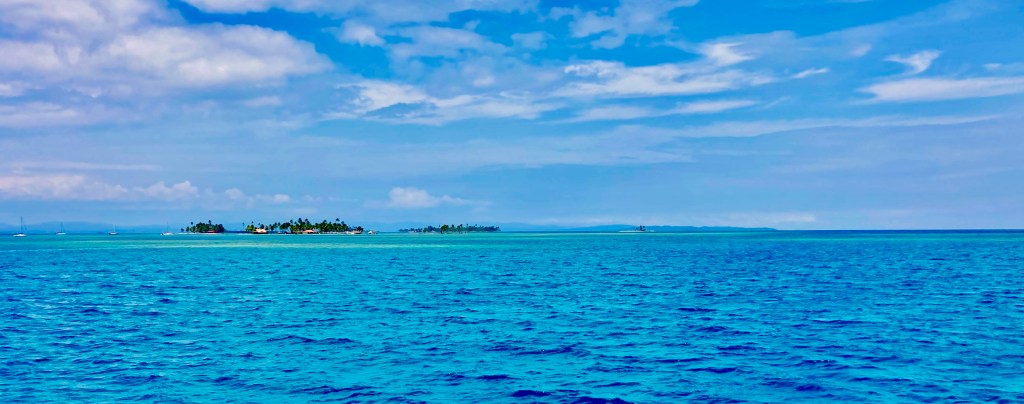
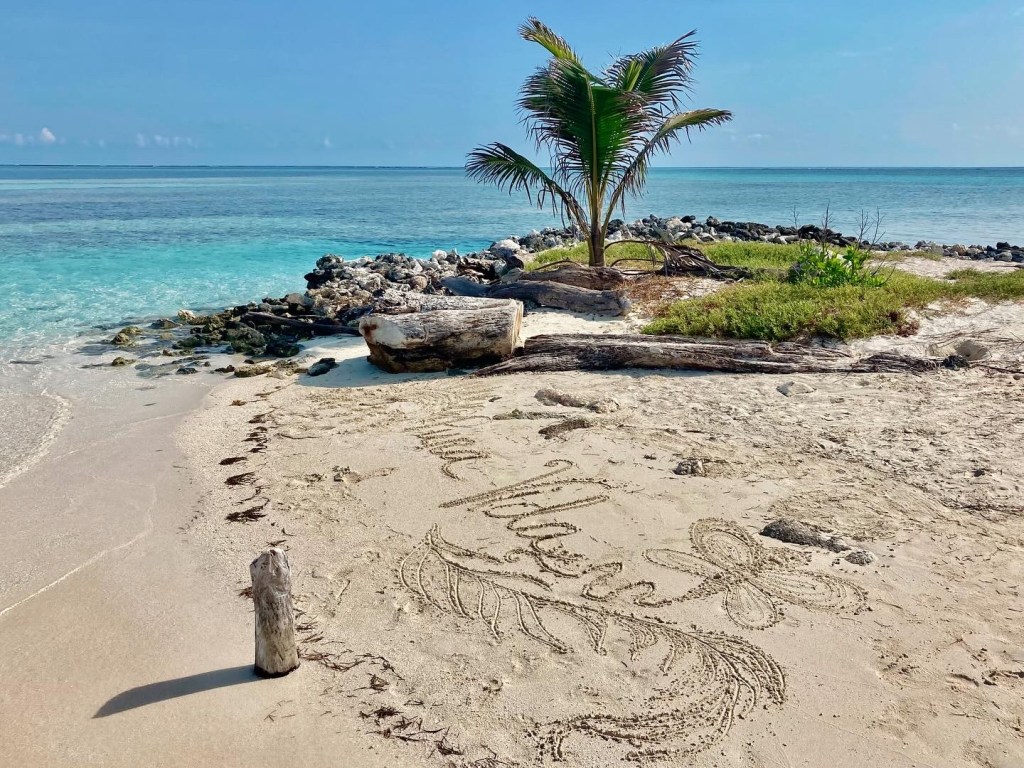
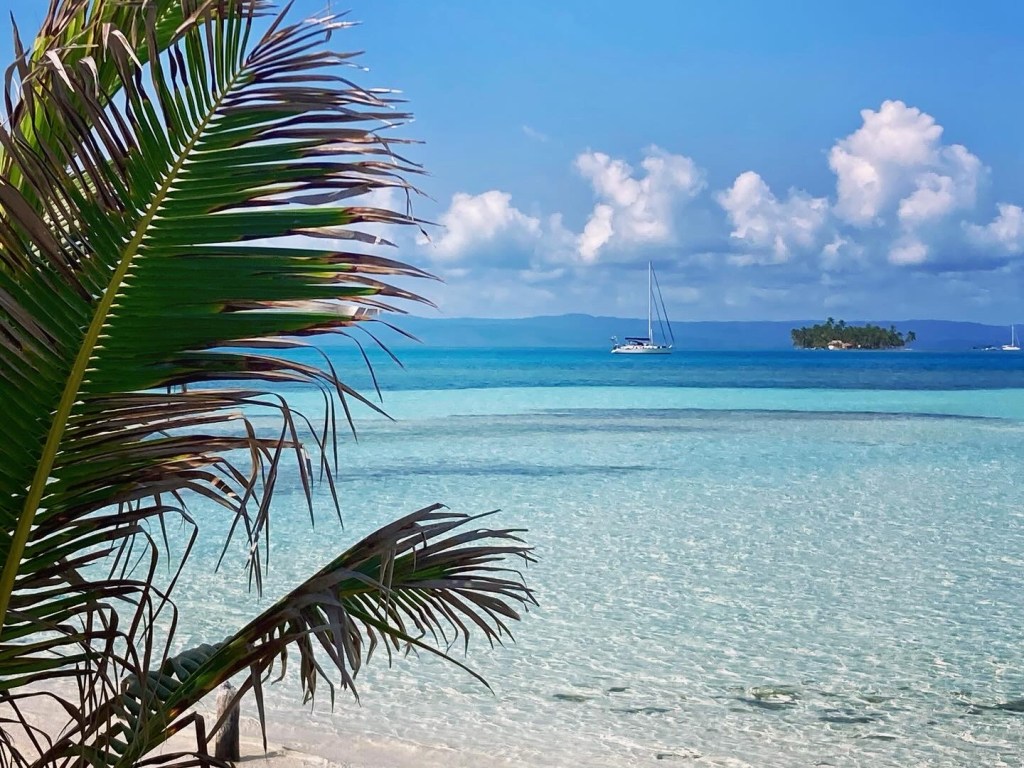
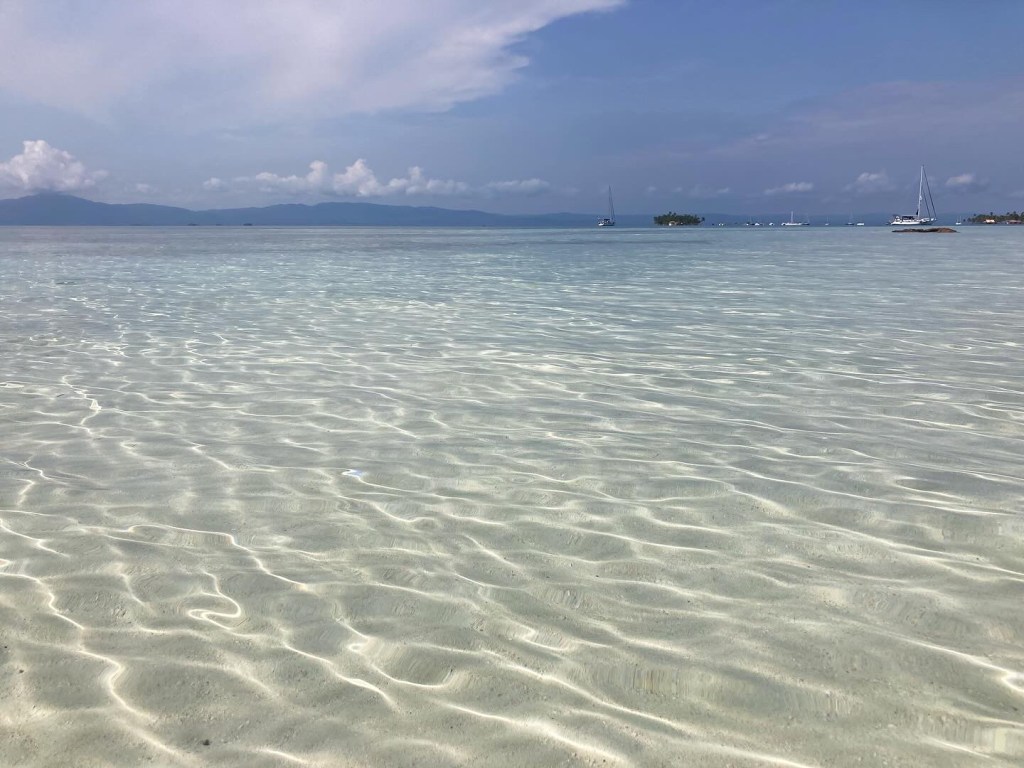
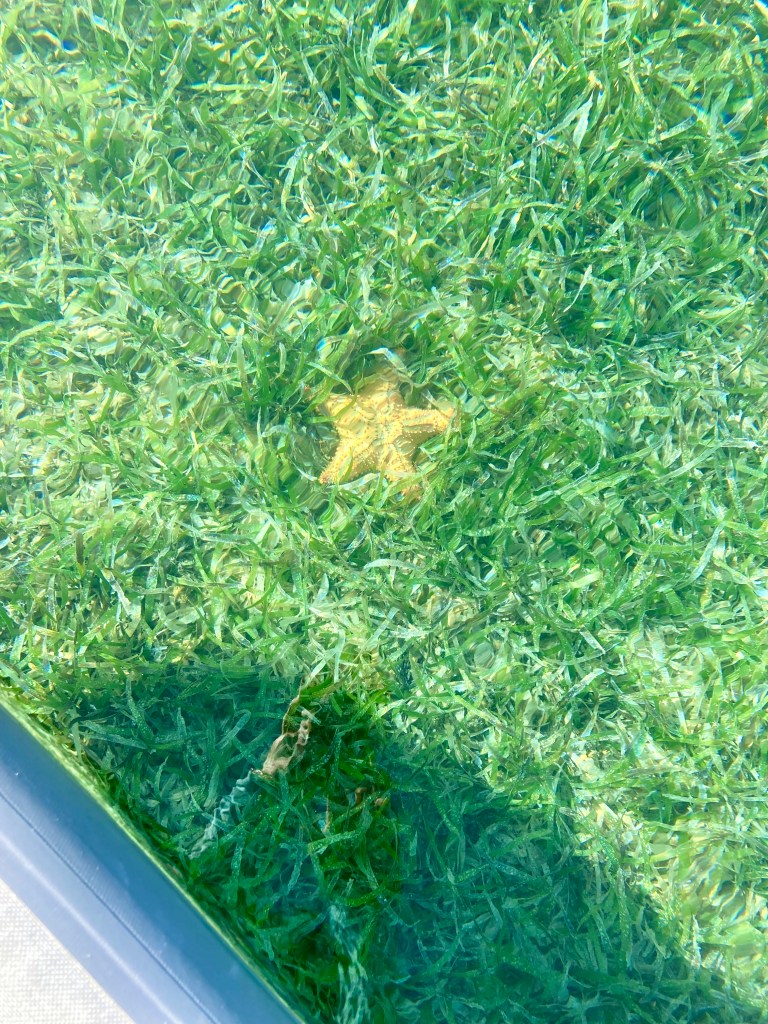
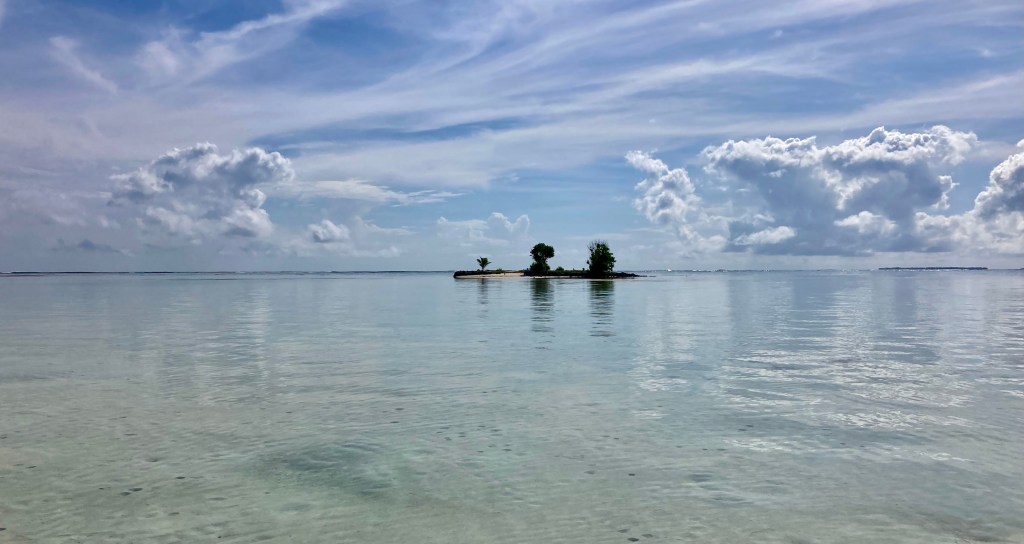
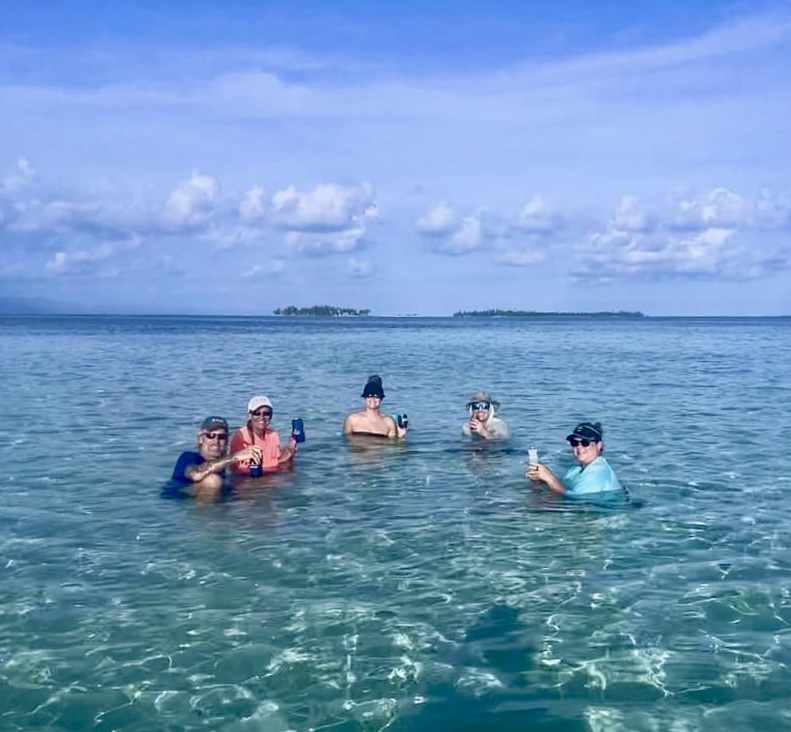
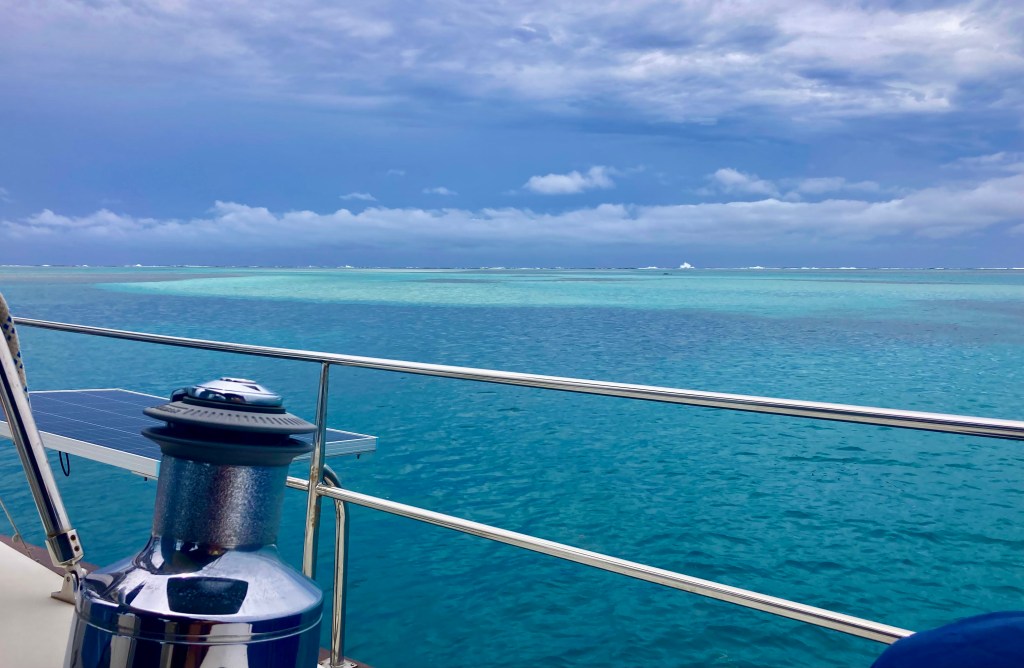
We stayed a month and a half in the San Blas archipelago—visiting a few anchorages and soaking in the sun and crystal-clear water that reminded us of the Bahamas. From a sandbar shark chasing an eagle ray, spinner sharks barreling out of the water, snorkeling with black tip reef sharks, nurse sharks, mantas, and eagle rays, to listening to a turtle breathe right by Oleta for a few hours and observing the massive barracuda that found refuge under our home, the sea was full of life.


While we never saw a crocodile in the anchorages where we stayed, I was hesitant to snorkel alone since we had heard of recent attacks on the islands. One, a local dog was killed, and tragically, a little girl also perished after an attack. When we inquired about the crocodiles, we got different responses from cruisers and the locals. We never swam in the evening hours and were more aware when we were in the water. When I finally encountered my first crocodile in the wild—from the safety of Oleta in the Chagres River—I could feel its energy as it stayed low in the water with only its eyes visible at times. It was a magnificent moment to see this powerful creature in nature.
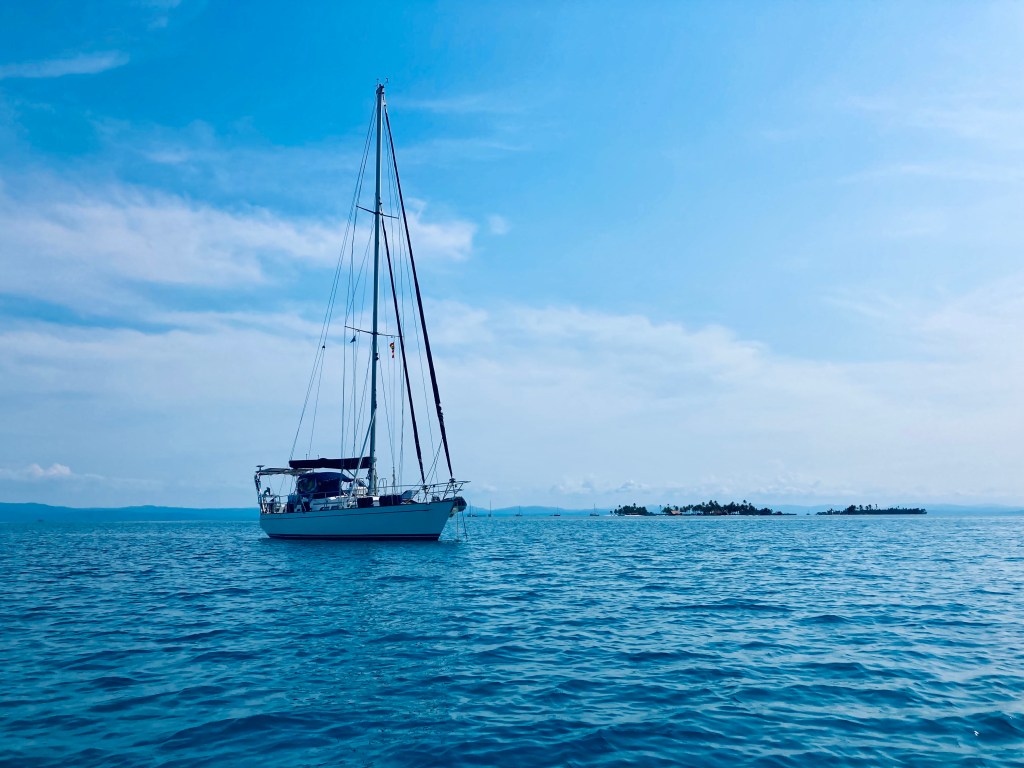
Living on a sailboat and being around the ocean brings us closer to nature: above and below the water. Sometimes, I am scared, but it is usually a first response, and once I breathe through the situation, I know that I have never been in danger.
Like the day I swam from our boat to an island about two football fields away with no fins and only a mask. I mostly felt comfortable, yet aware I was also breathing heavily since long cardio sessions have been more challenging to get in. I noticed two large nurse sharks swimming only fifteen feet under me. I stopped to look at them, and I am always happy to see them, but I felt a bit exposed without fins on. I was still panting and realized I had some distance to cover to reach the shore. That is when one of the sharks started to swim up towards me. I faced it, tried to calm my breathing, and let it know I was just a silly human who needed to workout more. I can’t remember exactly how close she got, but when she turned and swam back down, I took a big breath and finished my swim to shore. It took me a long while to get the courage to swim back to the boat, but eventually, I did.
We spent most of our days in the San Blas paddleboarding, snorkeling around the outer reefs, and enjoying the ever-changing night sky. Since we arrived at the islands during the rainy season, the anchorages were less crowded, which we preferred. Occasionally, we had sleepless nights due to storms, during which we stayed up, monitoring the changing winds and watching the lightning illuminate the sky.
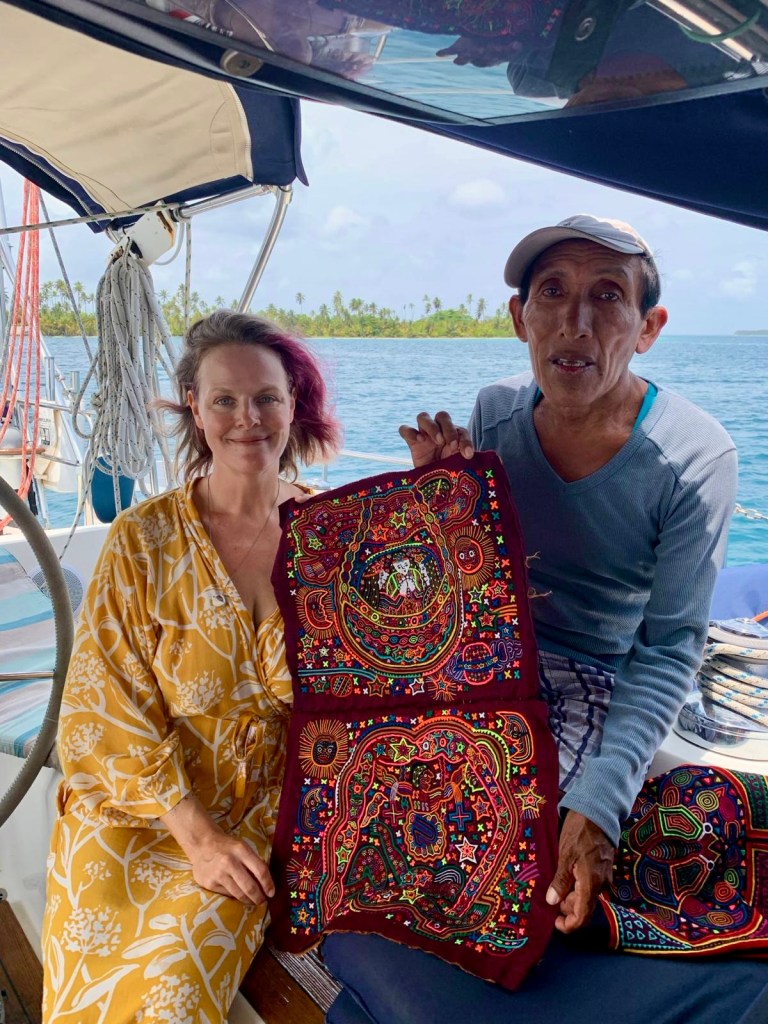
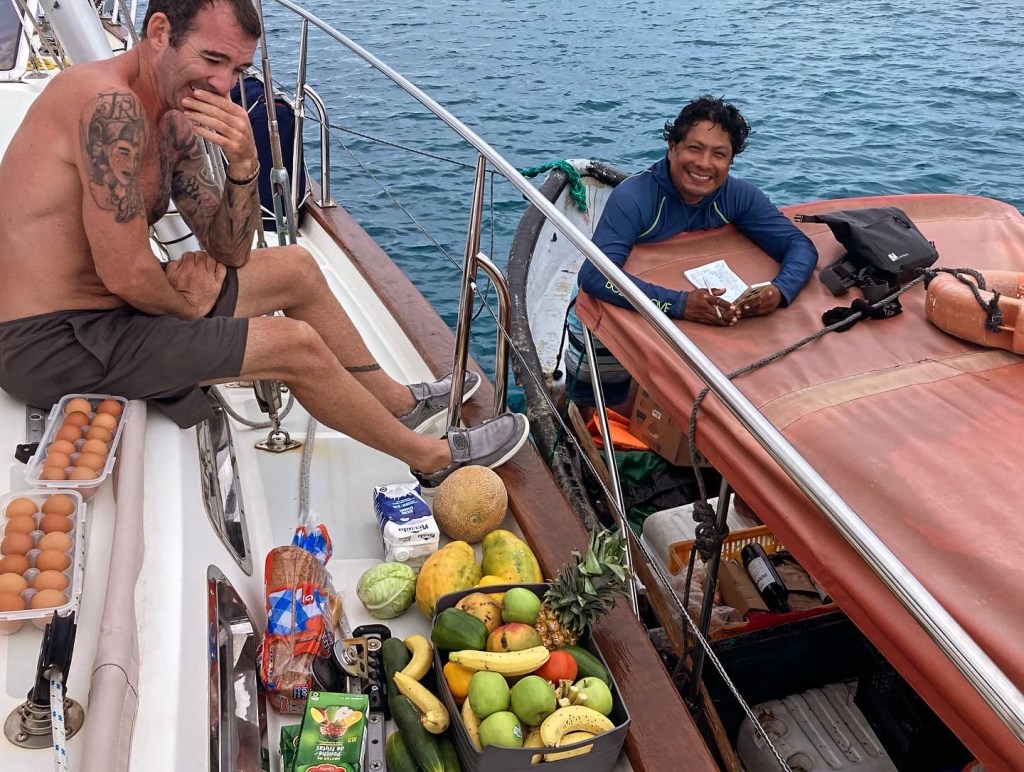
Buying fish, lobster, and other wares from the Kuna people was nice. In some anchorages, where it is more touristy, the locals did expect more from us daily, which became a bit fatiguing, having multiple boat visits each day. Overall, everyone was super friendly, and only a few were a bit pushy, but we have experienced this before in the eastern Caribbean, too.


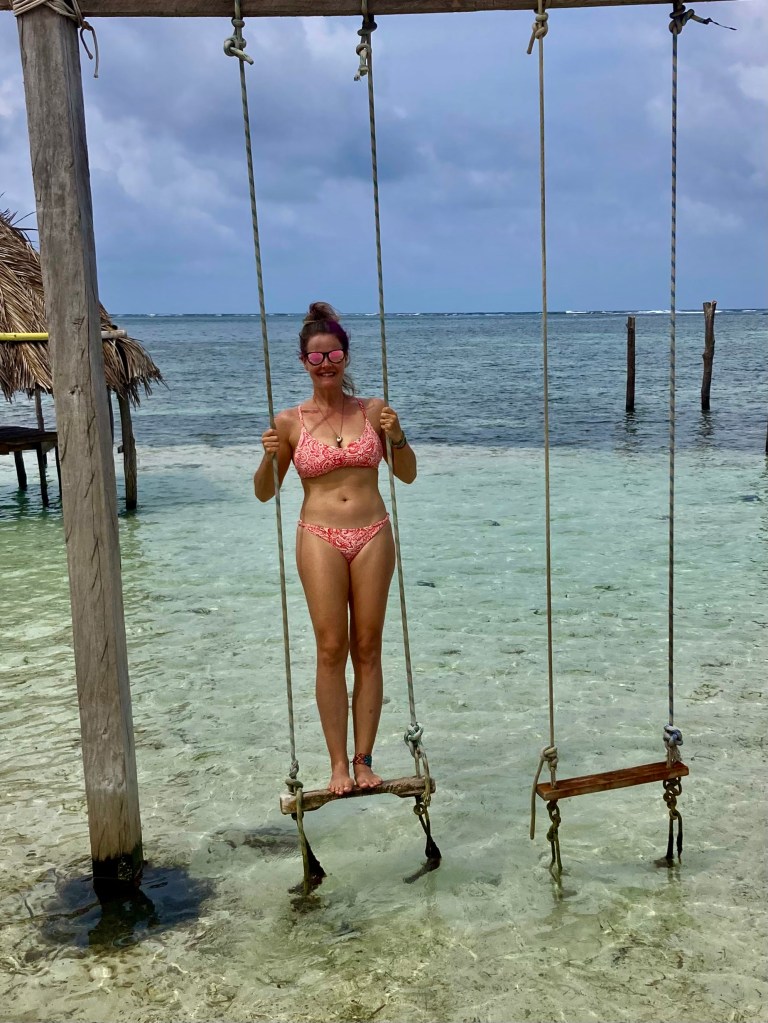
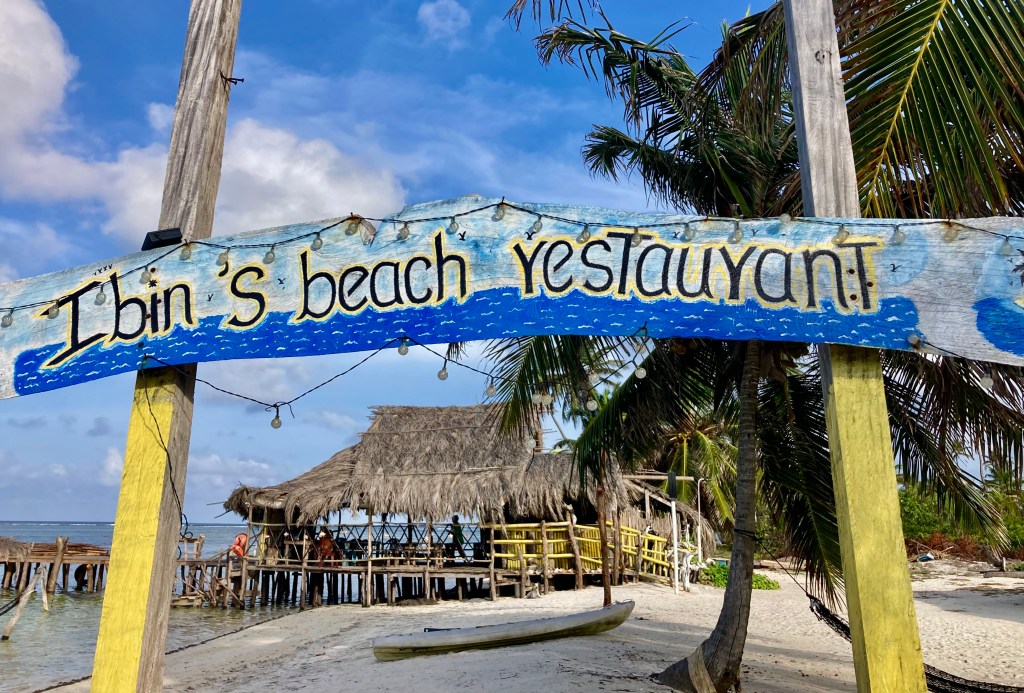
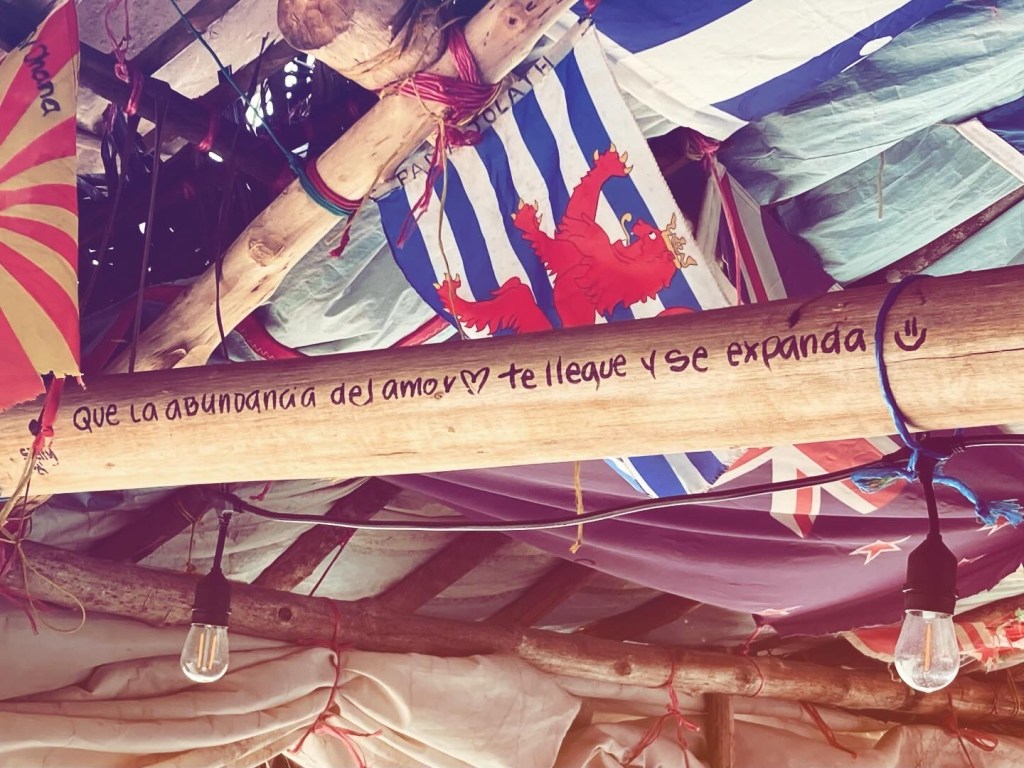
We divided the trip to Bocas del Toro, which is over 200 nautical miles away from the San Blas islands, into smaller segments so that we would only have one overnight sail. When I say “sail,” I mean motor. During the rainy season, the trade winds are reduced, and unless there is a storm, the winds are light and variable.
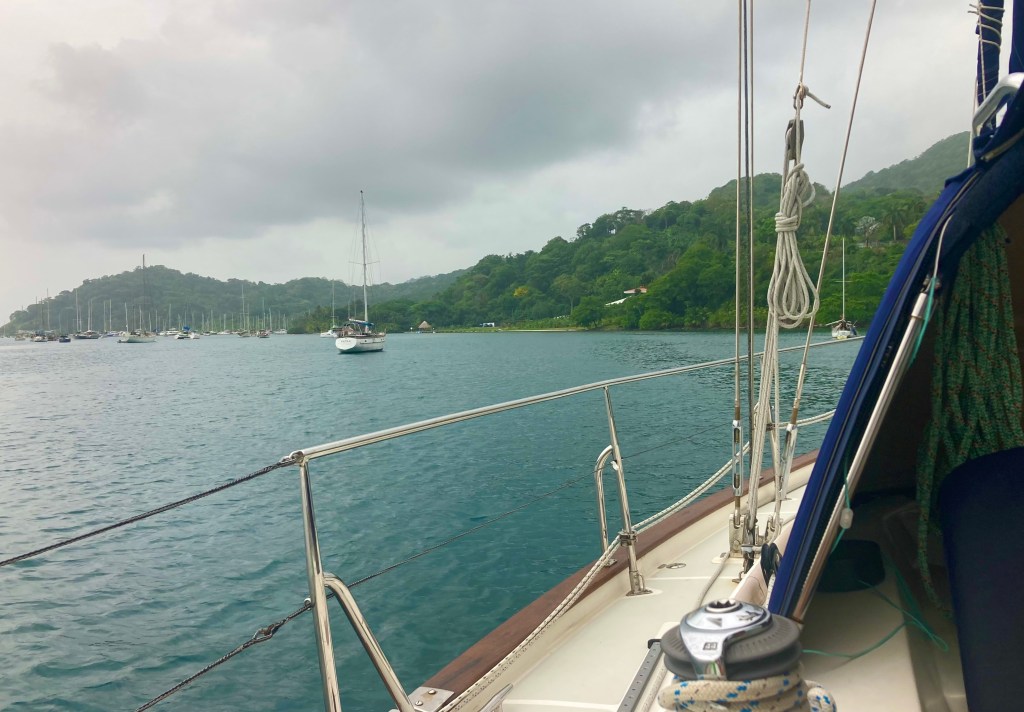


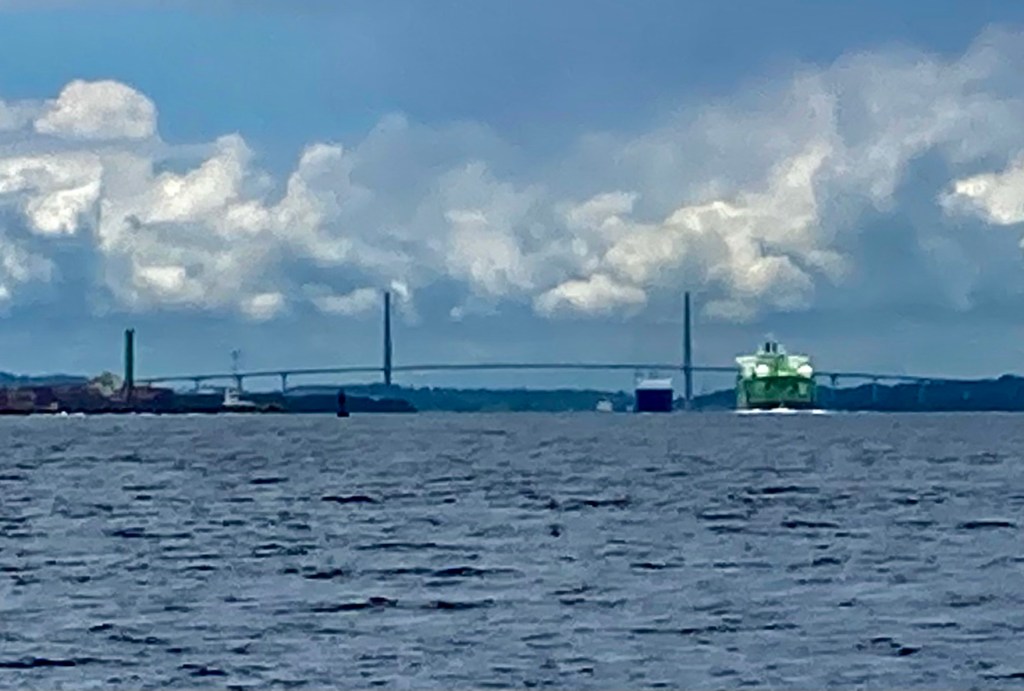
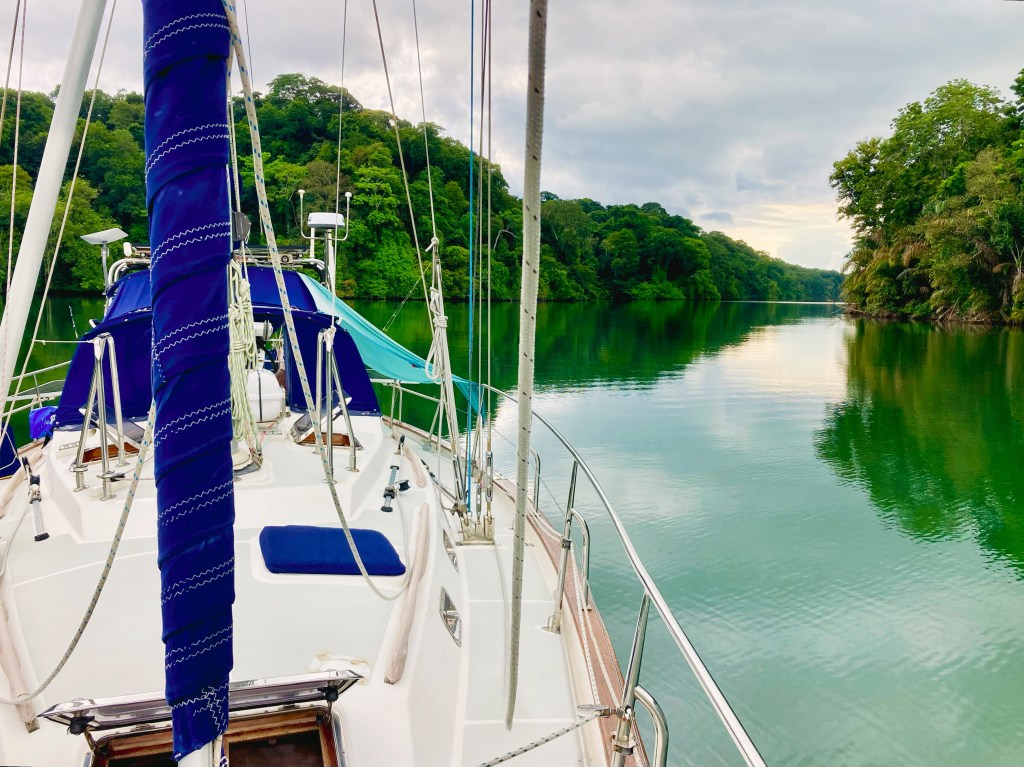
Our first stop was Linton, and the atmosphere was completely different from anything we had seen since leaving Colombia in mid-February. All at once, we could hear: cars, music from bars, goats, howler monkeys, and kids laughing. We stocked up on supplies and got more fuel, but the anchorage was quite rolly, so we left after a few days and anchored Oleta in the Chagres River.
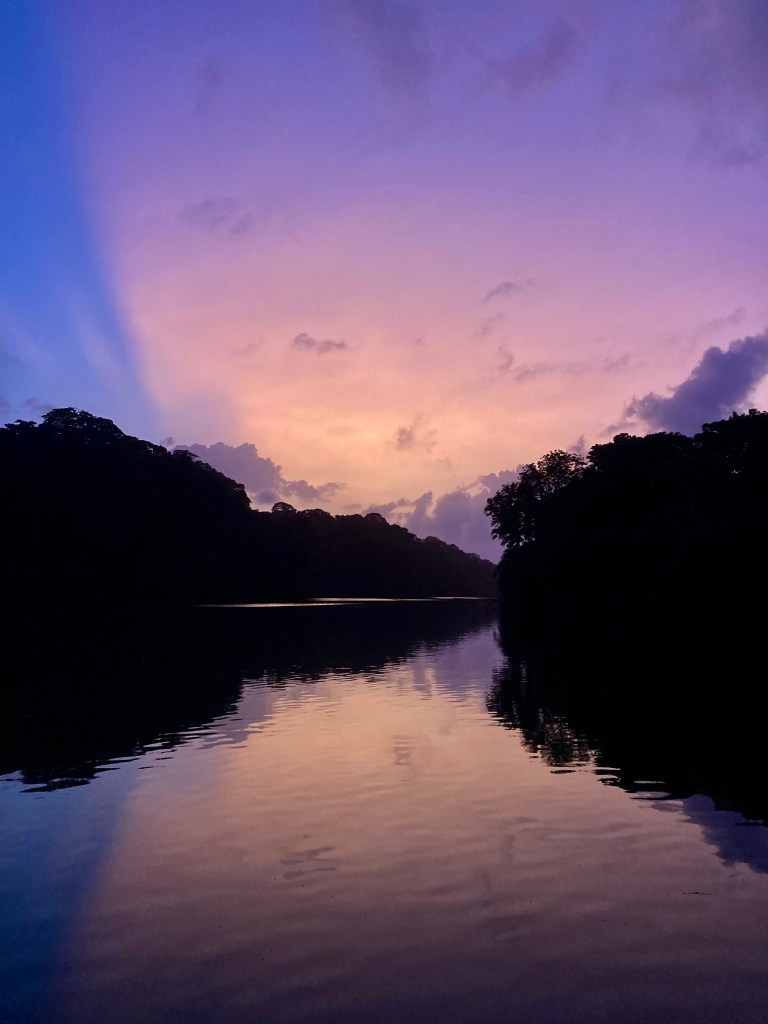
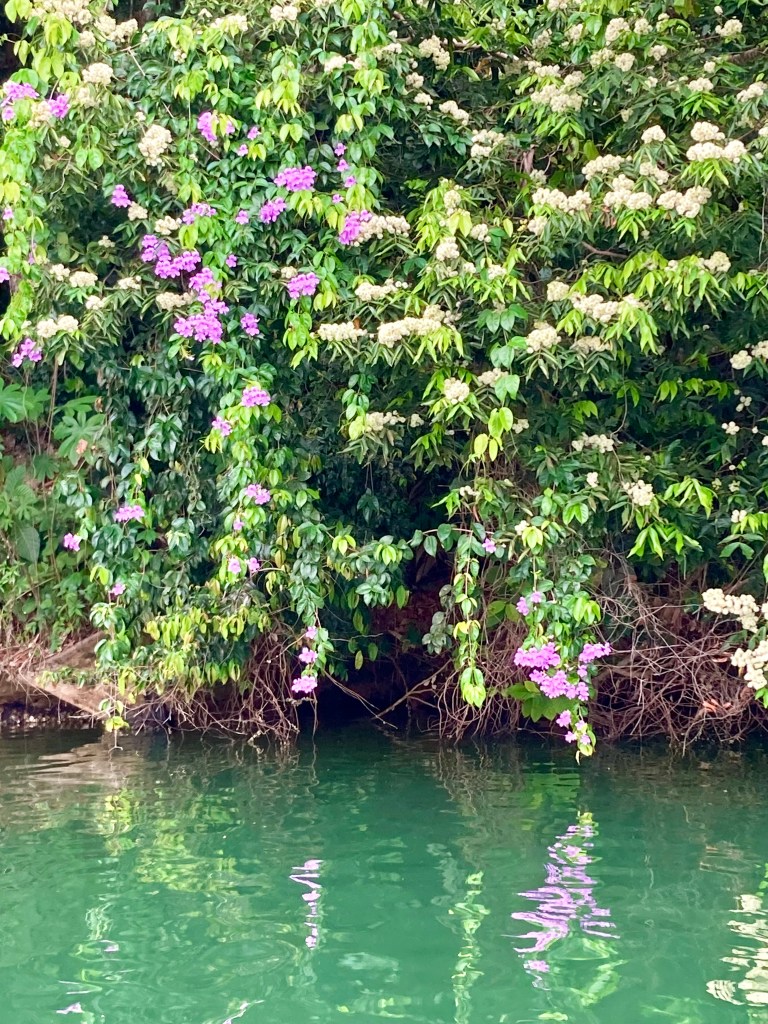
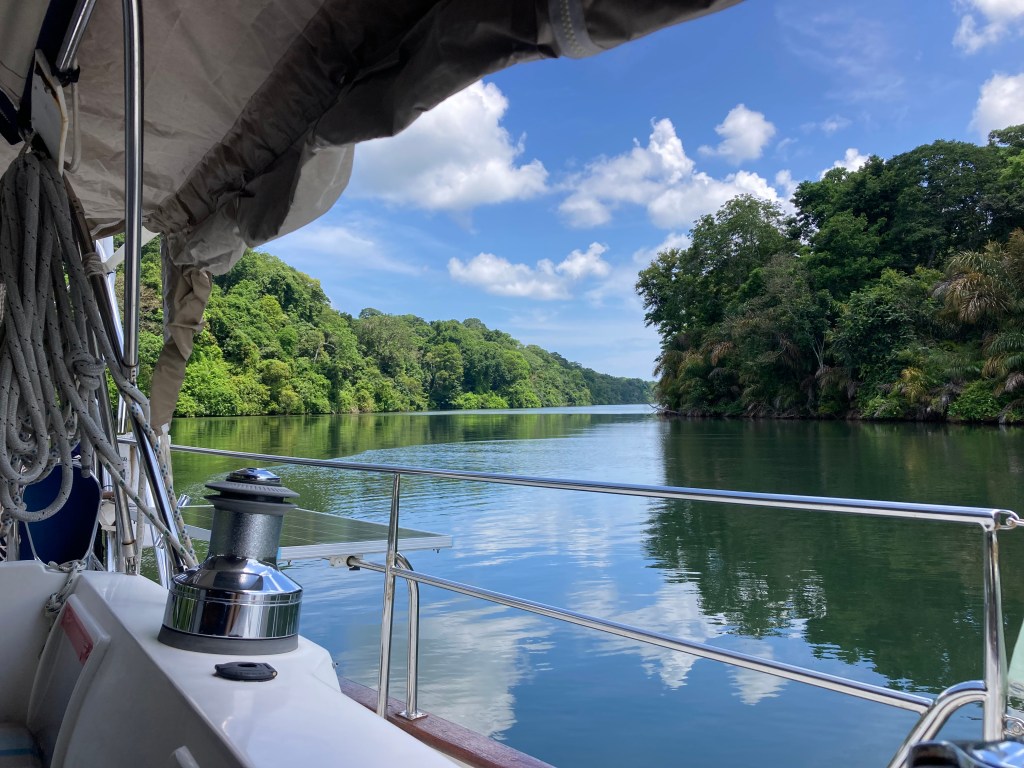
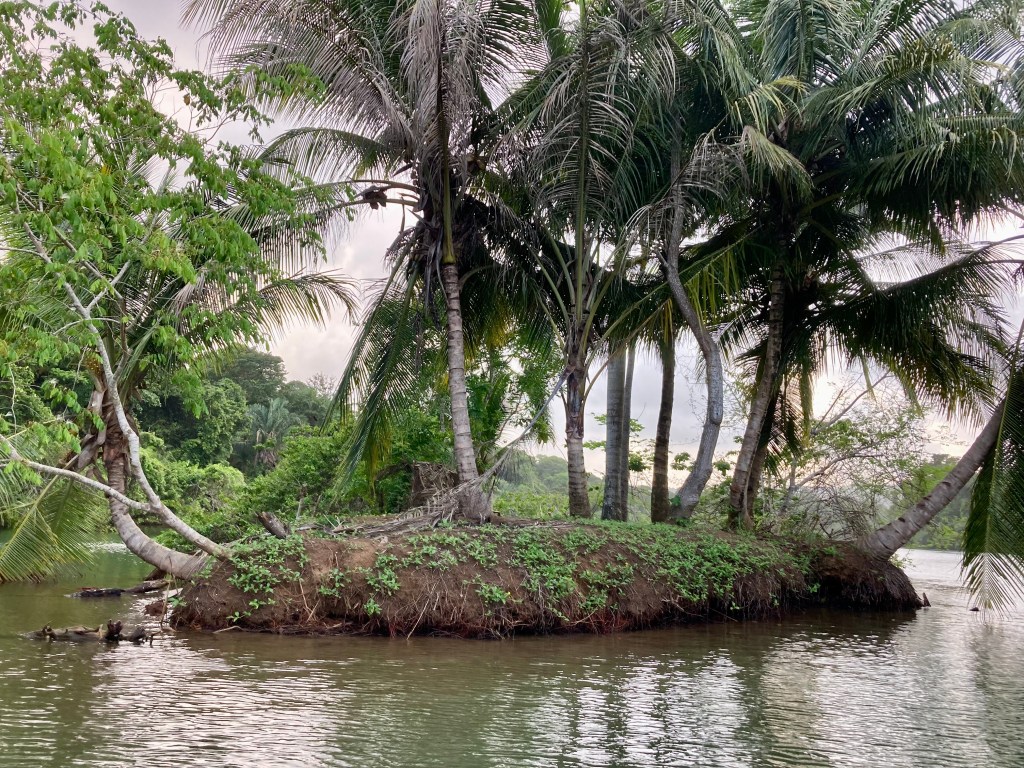
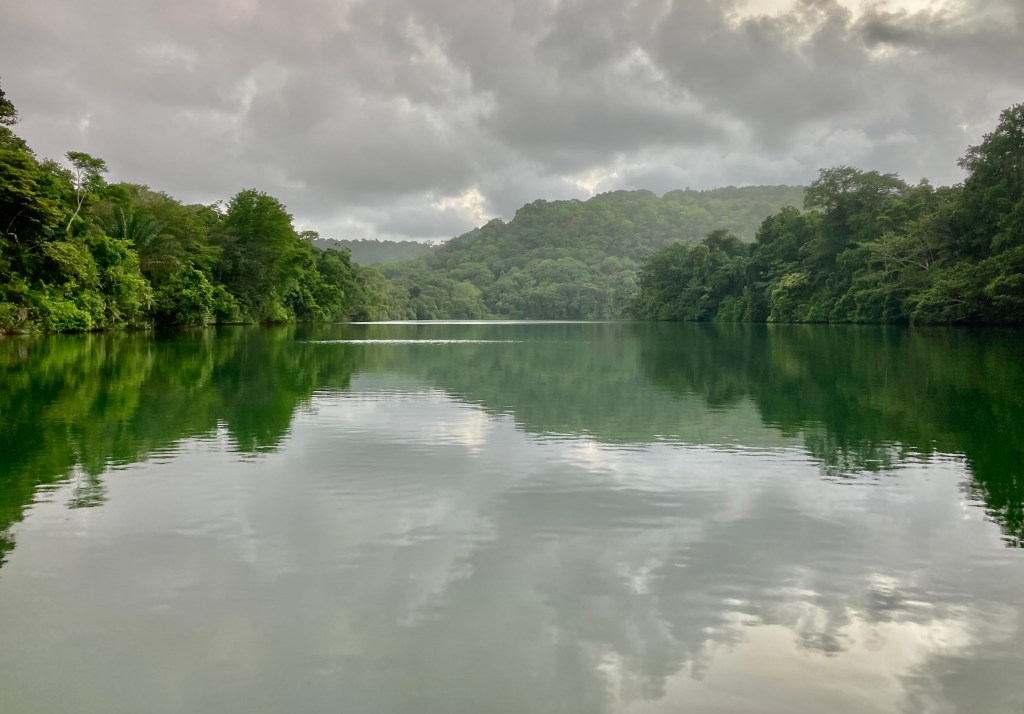
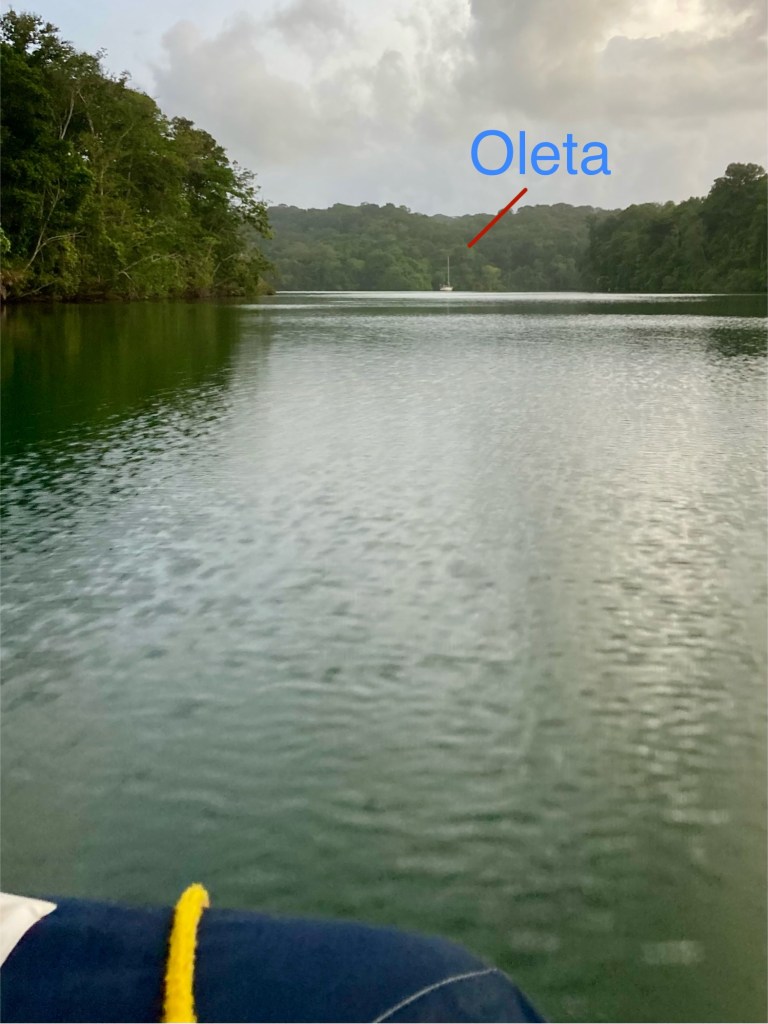
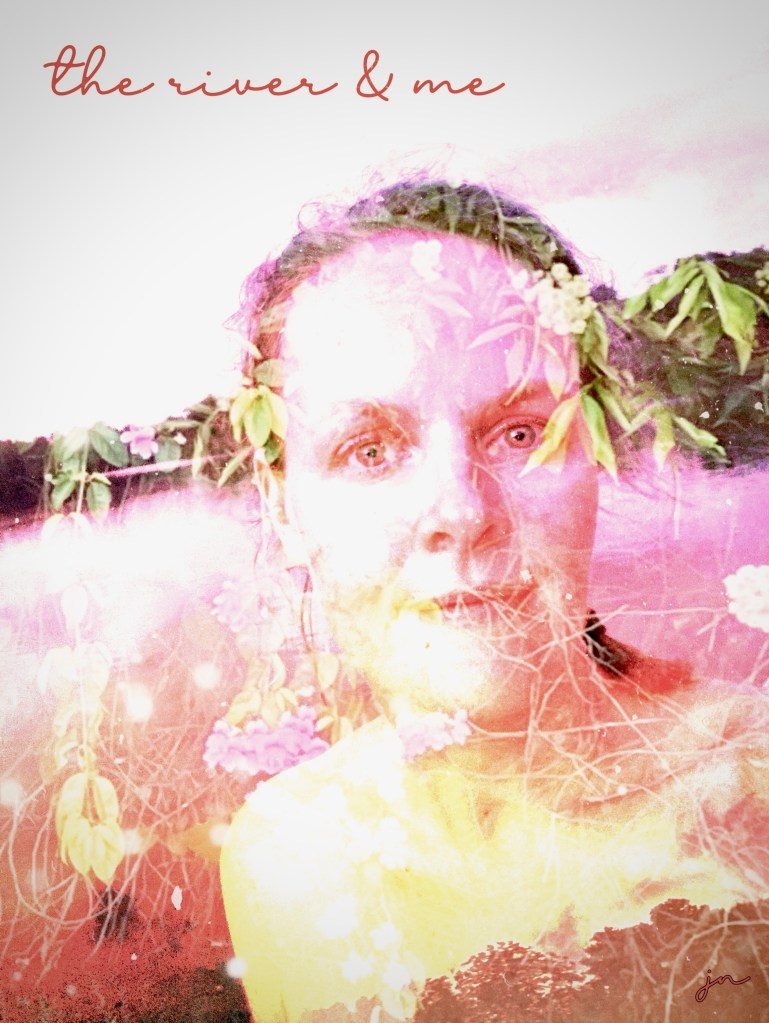
We spent seven nights and eight days on the river, enjoying the sounds of the jungle and the tranquil waters. We set up our big tent, and I would sit in the cockpit, listening to music and admiring the surroundings. It was super steamy with little breeze, so I almost always had a fan pointed at me! We took our dinghy, Turtle, to see the dam that created Lake Gatun, which is a part of the Panama Canal lock system. We also explored the small mangrove channels, keeping an eye out for crocodiles and howler monkeys while enjoying the bird calls. After our week stay, we were ready to move on to a place where we could go for a swim.



~
immersed in nature
wild hearts
breathing in life
releasing old stories
writing anew
connectedness
creating as we go
gratitude
abundance
love
sinking into the depths
to know we are alive
experiencing it all
~
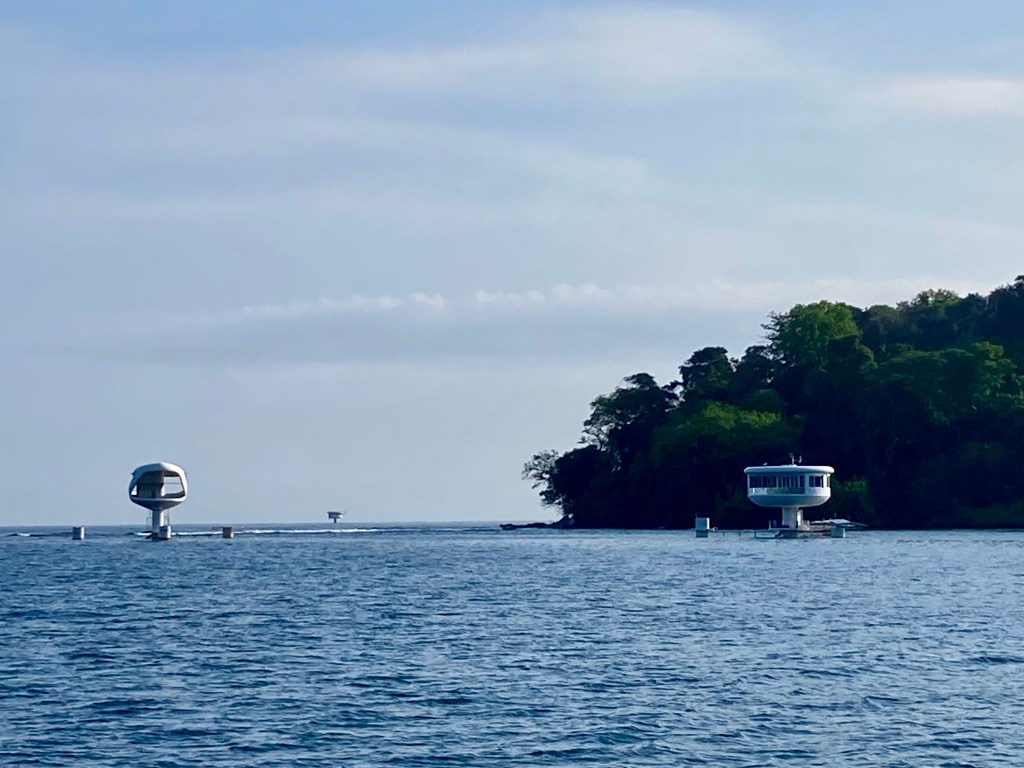
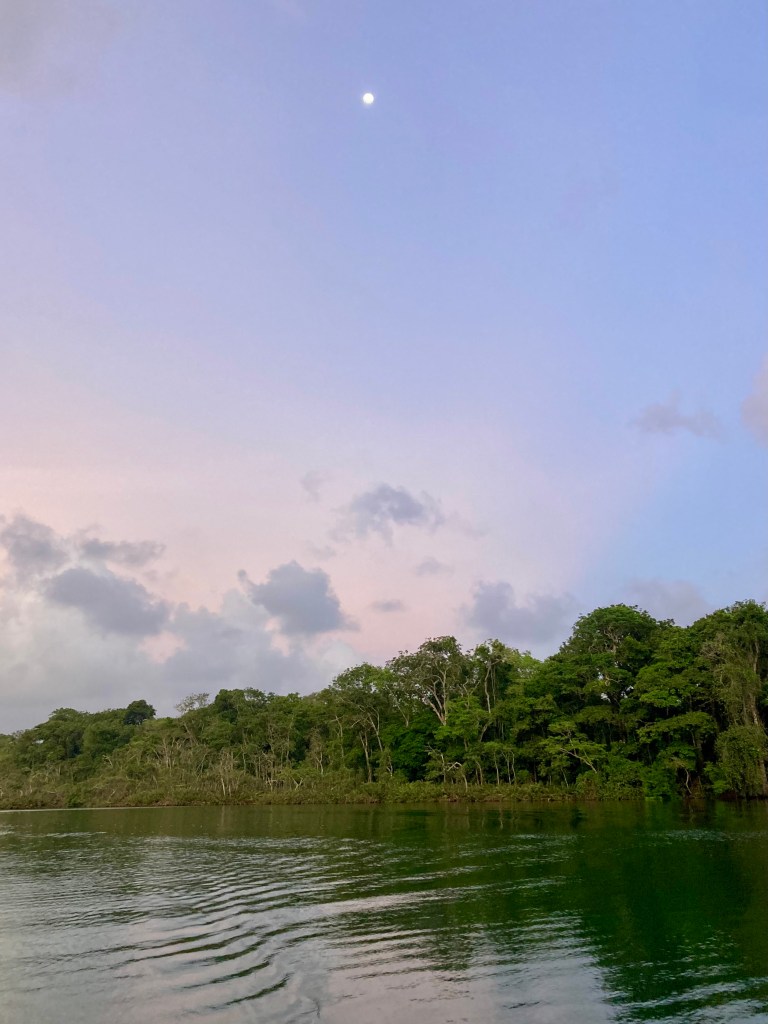
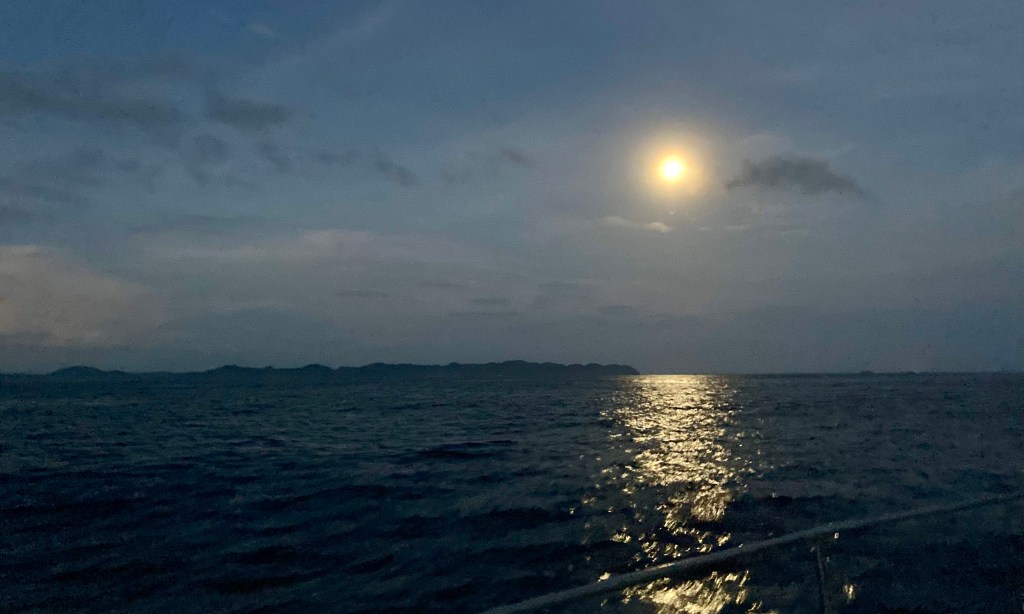
On the night of the Flower Full Moon, May 23, 2024, we motored to the Bocas area and arrived the following day at a protected anchorage that was calm and swimmable: Popa Island. Some call it Monkey Island because there is a rescue there for them, which we have yet to visit but plan to. Between cool dips in the water, we continued with boat projects and postulated our summer plans.
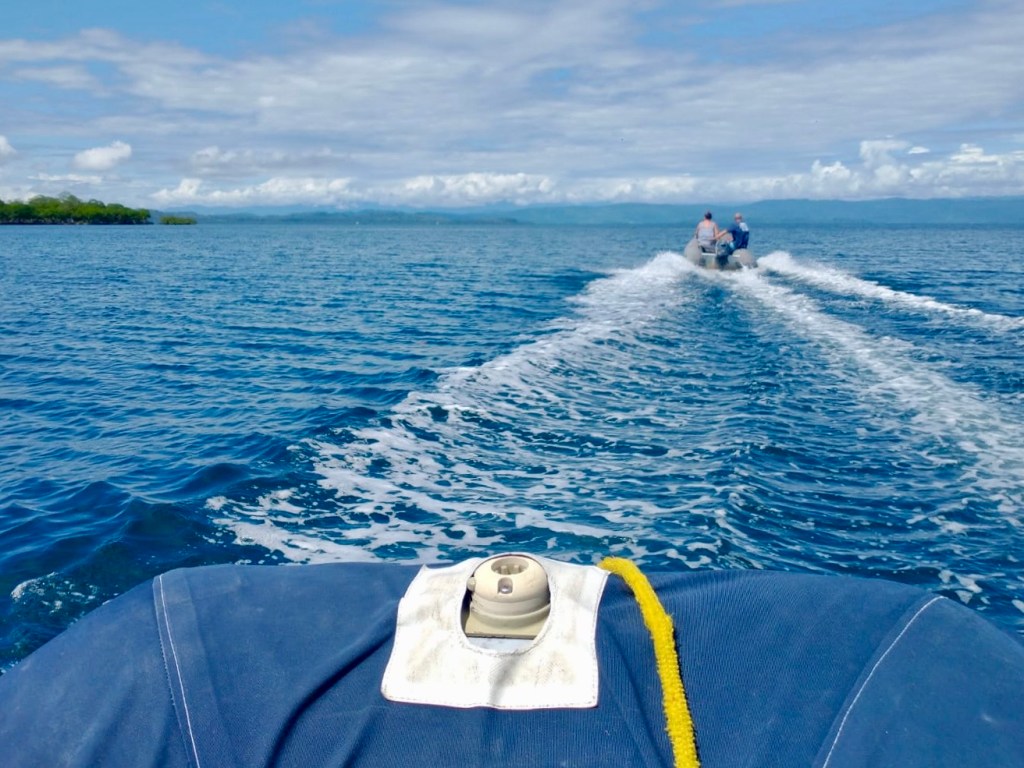
Once again, we were low on fresh foods, so we motored over to Isla Colón, the main island in Bocas del Toro, to stock up on vegetables and fruits. This is the first place in a long time that we have been unsuccessful at anchoring. After a few tries and a bit of a panic when we were in an area that was shallowing up fast, we decided to try another anchorage that some cruising friends recommended. It was perfect since we were the only boat in the bay besides one derelict boat. We anchored easily, quickly secured the boat, and drove the dinghy back to Bocas. If the winds are mild, it is a safe trip by dinghy.
We docked at Panama Sailing for two dollars and asked them for a lunch recommendation. We were ready for a splurge, so they recommended La Buga, a restaurant, bar, and dive shop. It was the best burger and maracuya (passionfruit) mojitos we have had in a long time! Visiting the town was an interesting experience. The weather was hot, and there are many shopping and dining options that we will continue to explore during our stay in this area. It’s the largest town we’ve seen since Colombia. Thankfully, there are plenty of anchorages to find some solitude.
There is something about Panama that makes me feel comfortable despite its challenges. I wanted to feel the same way in Colombia, but for several reasons, as I mentioned in other posts, we didn’t like having our boat there for an extended period.
Some ask, “Where to next?” We always share a general roadmap; however, as more detours and new routes open, I remind myself to stay grounded in the present moment and be aware of my gratitude for this journey—one step along the way.

Until next time, cheers!


 Soulful Mermaid
Leave a comment