While the amenities of civilization are nice, we have discovered that we prefer being off-grid. Since departing from Permé, Panama, in late February, we have only caught glimpses of sailboats in the distance. Our interactions with others have been limited to a few conversations with the Kuna, the indigenous people that live along the east coast and throughout the San Blas island chain. Most villages are only accessible by boat or plane and supplies are limited in the more remote places. Living “off-grid” without easy access to grocery stores, water, fuel, and other items, requires us to be self-sufficient for extended periods of time.
coretta

Our first stop, Coretta, was a three-hour sail from Permé. It is a large bay with little protection from the swell and waves. The view and sea breeze were fantastic, and the roll wasn’t too bad, but enough to make this a one-night stay. On short stops like these, we focus on doing what needs to be done—keeping the time on cooking/cleaning/maintenance to a minimum and spending more time in the place.
We weren’t sure about swimming here since we didn’t know if there were crocodiles, so the day consisted of chilling in the shade and waving to a few locals who drove by to get a closer look. That evening, we ate a steaming hot bowl of bean soup on the bow and watched a magnificent moon rise over the open ocean – I was so mesmerized by it, that I didn’t take any photos.
Puerto escocés
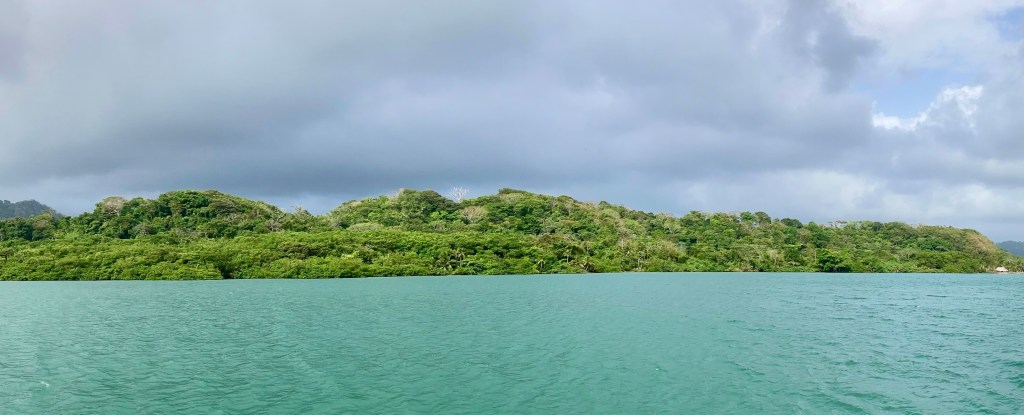
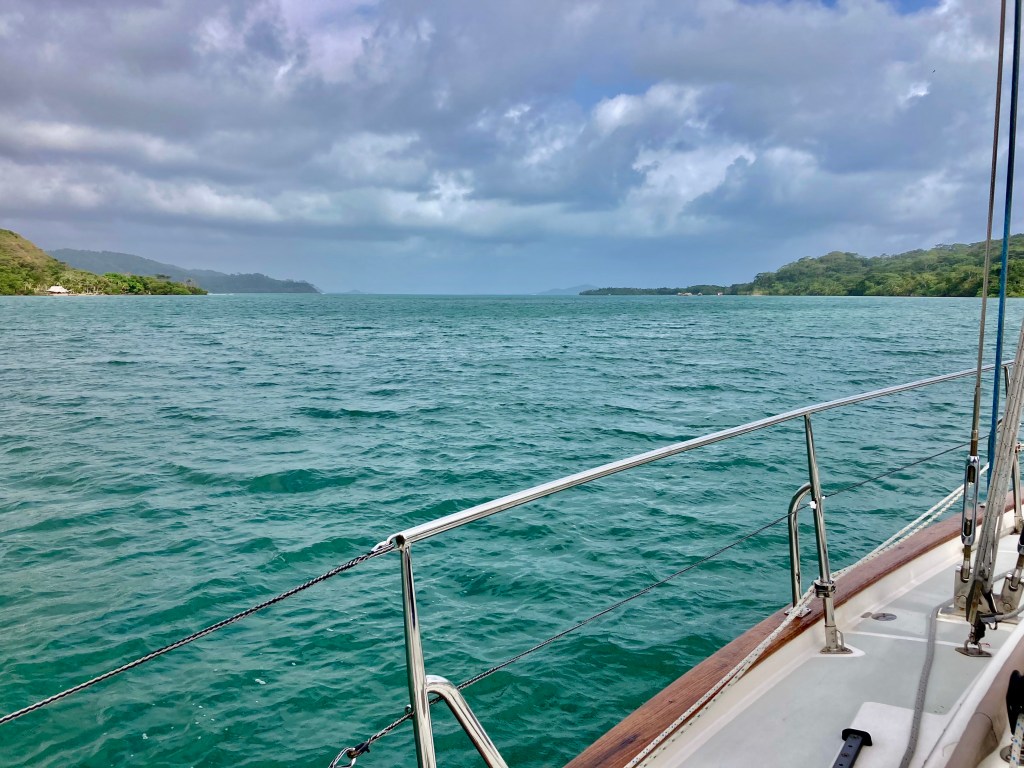
We departed the following morning for our next anchorage, which was sheltered by the mangroves, Puerto Escocés. After a two-tack sail, we furled the sails and prepared to motor through the bay to avoid the shallow spots. The charts for Panama are not as well documented as the Eastern Caribbean, so care must be taken to bypass the bombies. This is the “cruiser’s word” for coral heads at the water’s surface that may be hard to spot depending on light, weather, and the wave conditions.
Eric found some “mostly” reliable charts and satellite imagery of our area, and with software that put it all together, we had a reasonably safe route. It is neither a task we take lightly nor blindly trust the electronics; we are always on the lookout and communicating to keep Oleta safe. To navigate these areas, I go to the bow and scan the water for any color changes that signify a shallow spot. We use headsets so we don’t have to yell back and forth during these times, reducing stress in an already tense situation. If we had solely followed the charts, we would have run smack dab into a coral head that other cruisers have hit in the past – not fun!

Escocés is interesting because it is around twenty feet deep throughout the bay. So, instead of tucking up close to shore where the depth usually shallows up, making it easier to anchor, we plopped the hook right in the middle. That first evening of our ten-day stay, a few locals in a canoe came over to us to collect an anchor fee and sell us some plantains and lobsters. Each place is different regarding fees: some cost and some areas are free. We have paid anywhere from 10-20 USD for an entire stay – unlike some places in the East Caribbean, where mooring balls are 40 USD a night!
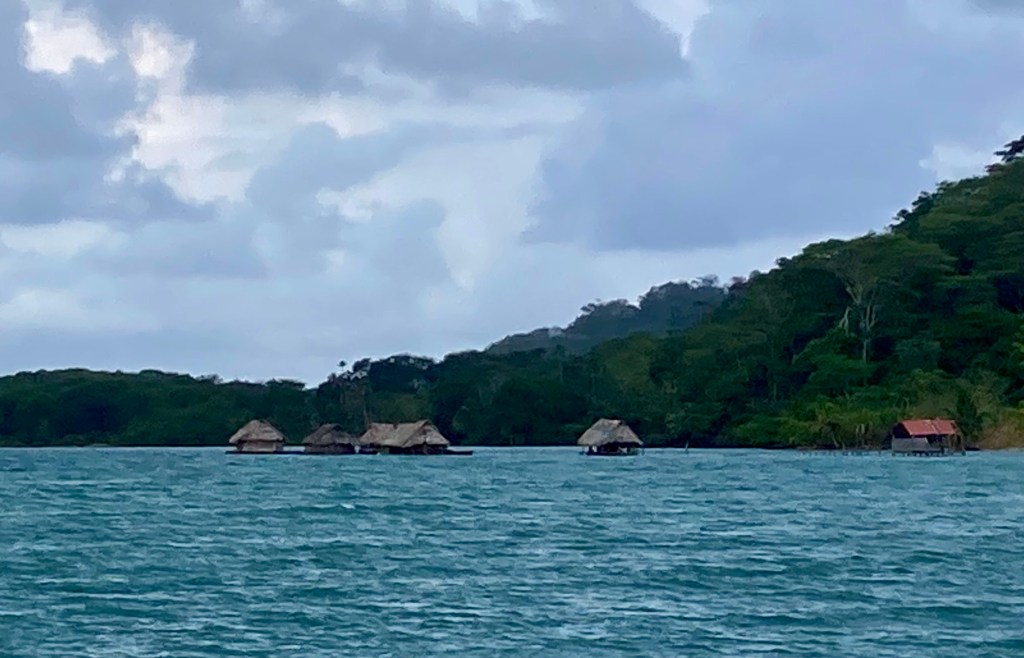
We did not attempt swimming in the water since the Kuna said crocodiles were in the mangroves behind us and advised us not to swim around our boat. Despite not being able to swim, we loved this anchorage. Only two other boats anchored there for a couple of days. However, both boats stayed at the front of the bay while our spot was further back, so we did not chat with them.
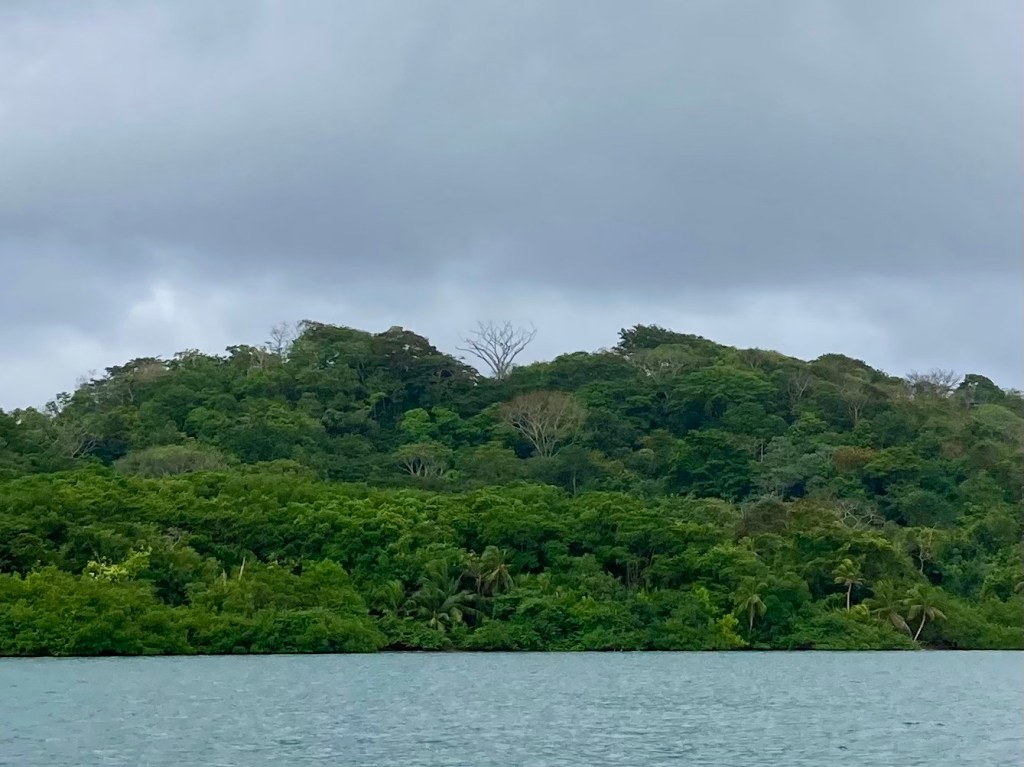
This was one of the first bays in a long time – maybe since the Bahamas, that was completely void of noises aside from the sounds of nature, a couple of barking dogs, and conversations between the Kuna as they fished near us. In the morning and evening, we could hear the howler monkeys in the distance. One day, I got lucky, and with binoculars, I saw two of them at the top of a barren tree, sitting with a few birds – amazing!

Food Preparation & Storage
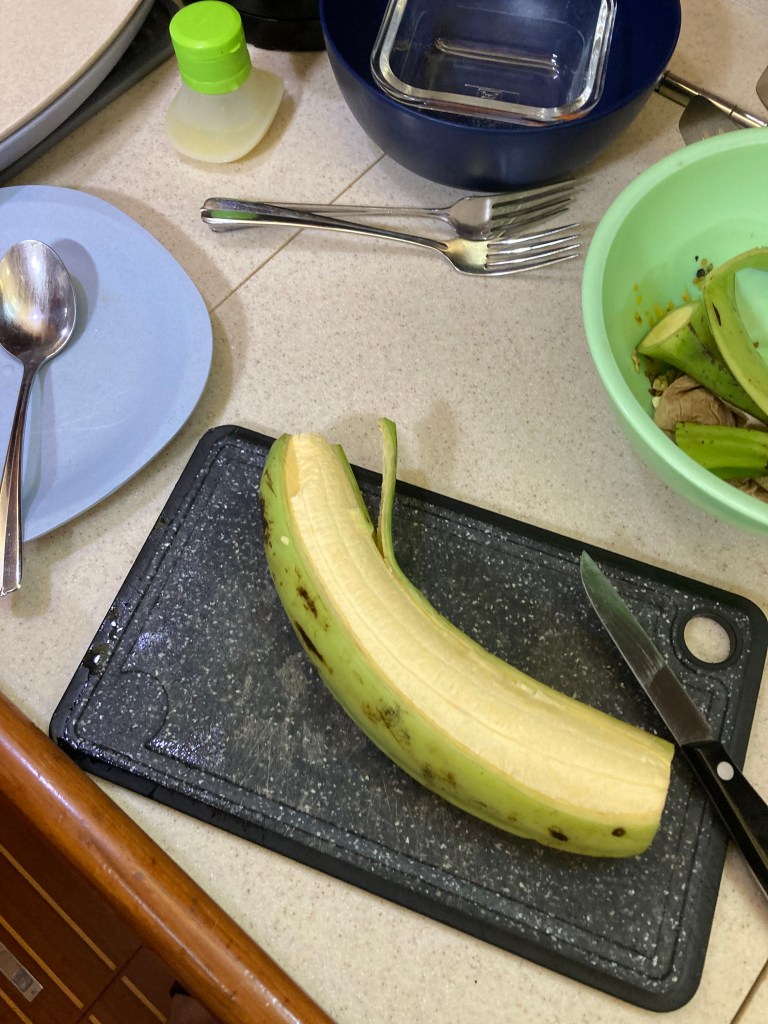
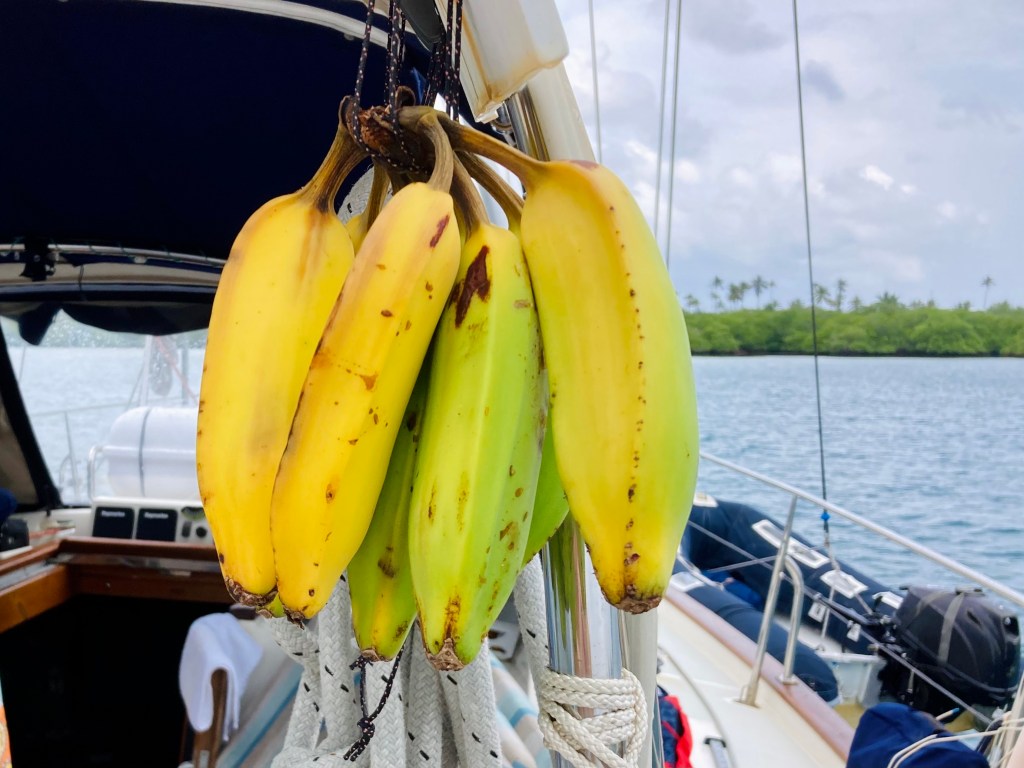
The locals in Escocés were friendly and would stop by our boat to see if we could charge their cell phones since they did not have electricity in their huts. This happened for several days and was a fun interaction between Eric and the guys as they chatted in Spanish. They even brought us a huge bunch of green bananas as a thank-you for charging their phones.
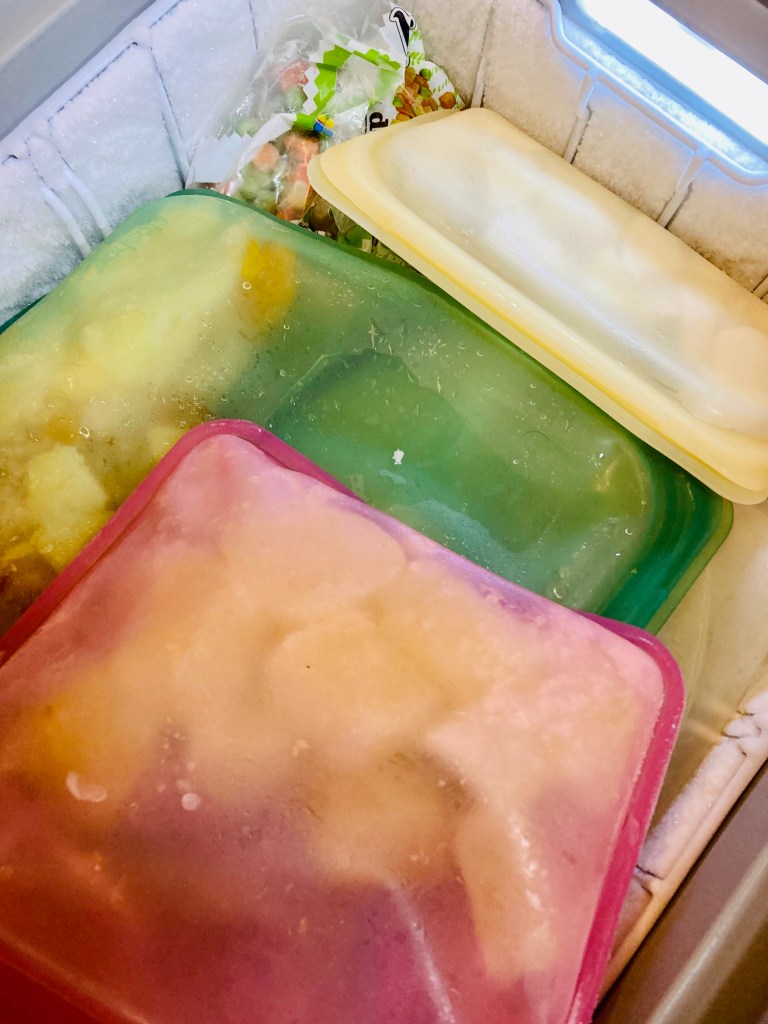
It was terrific because I was getting low on frozen bananas for our morning shakes. I am obsessed with freezing food! I use two units on our boat to freeze everything from meats, cheeses, and butter. I also freeze lime juice, herbs, yogurt starters, fresh spinach, and other fruits. Before we left Kemah, I bought a bunch of silicone reusable bags, which are fantastic for freezing. I use ice cube trays to freeze items in manageable sizes that I can easily pull out and use for meals or drinks.
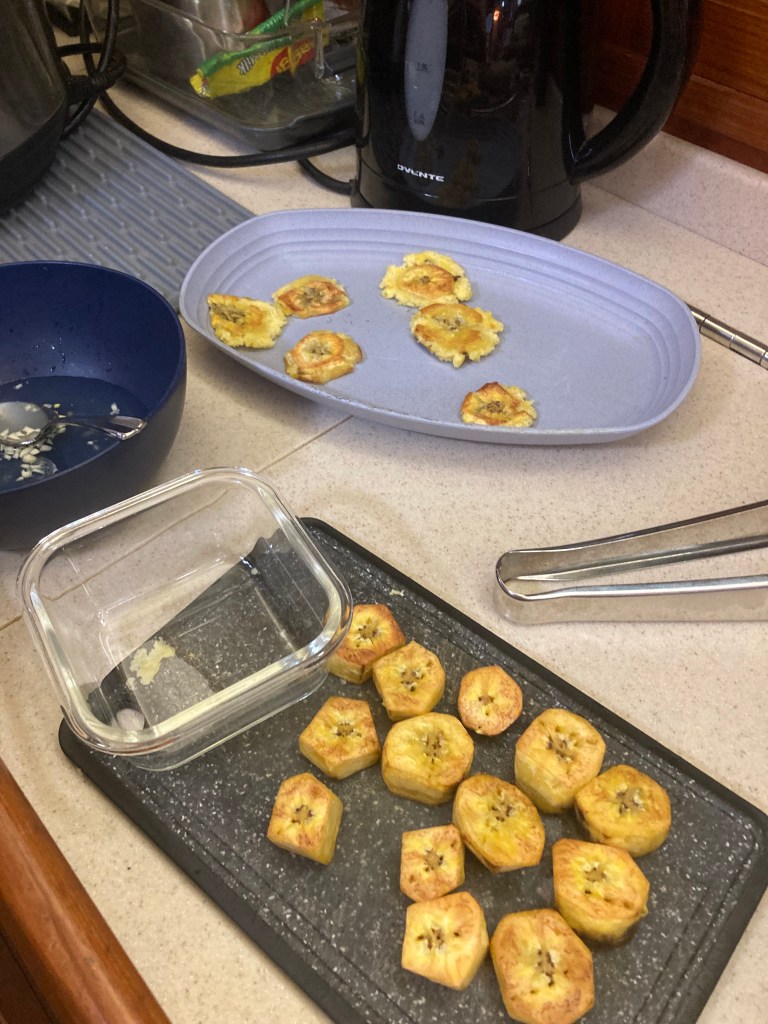
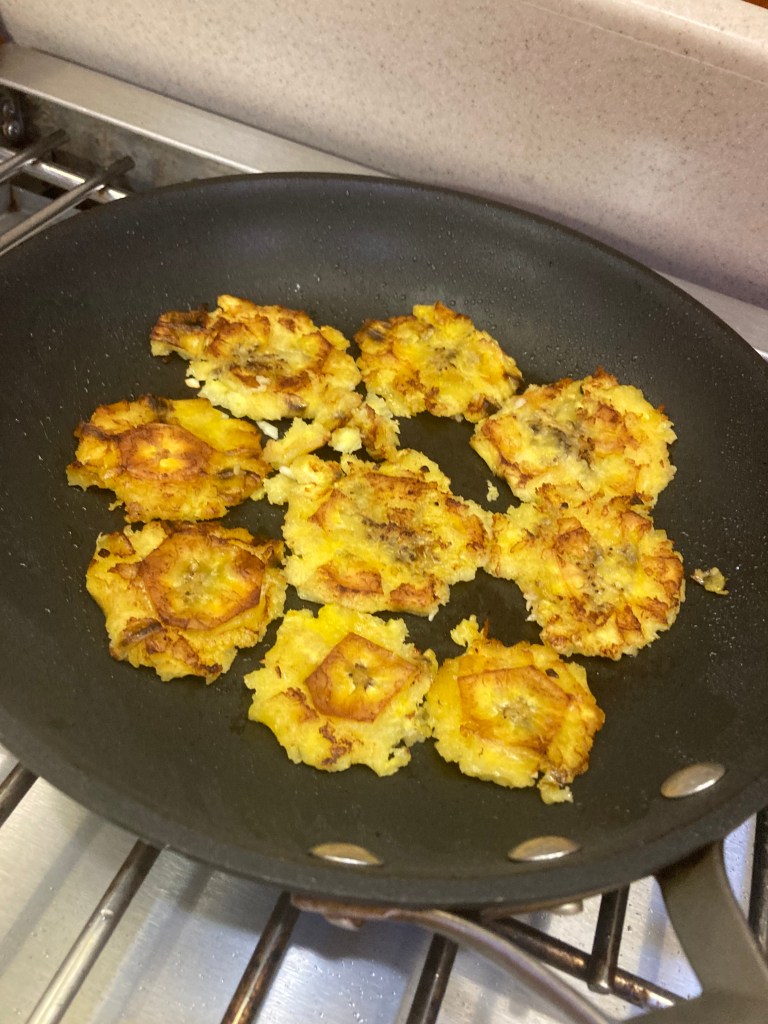
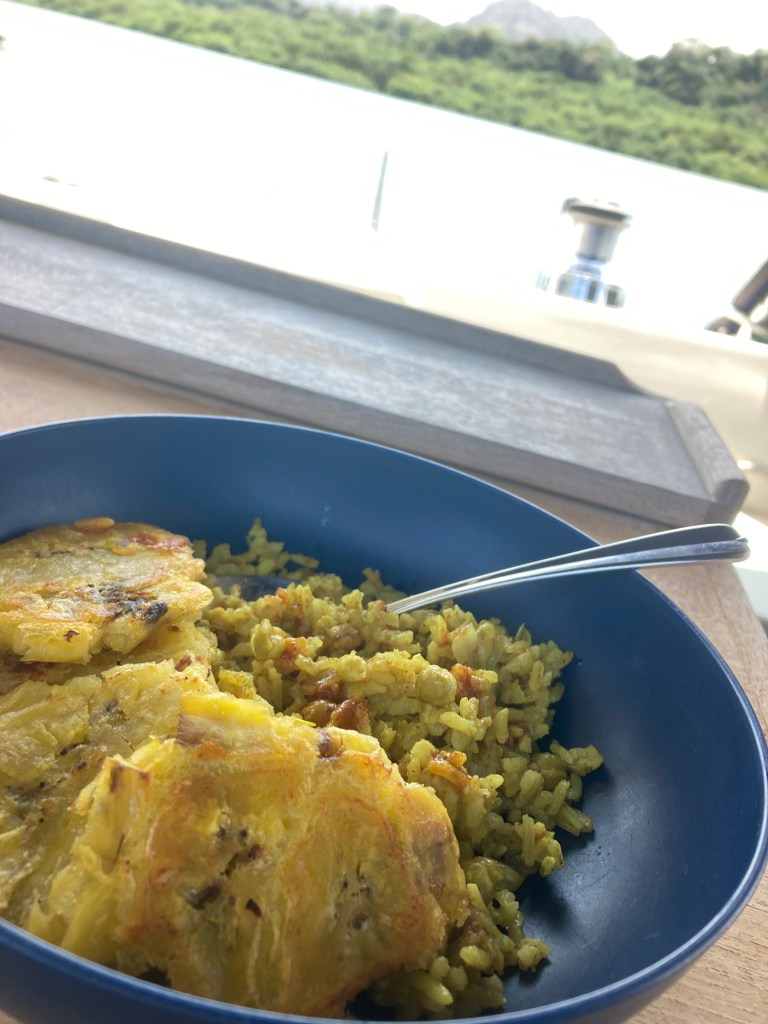
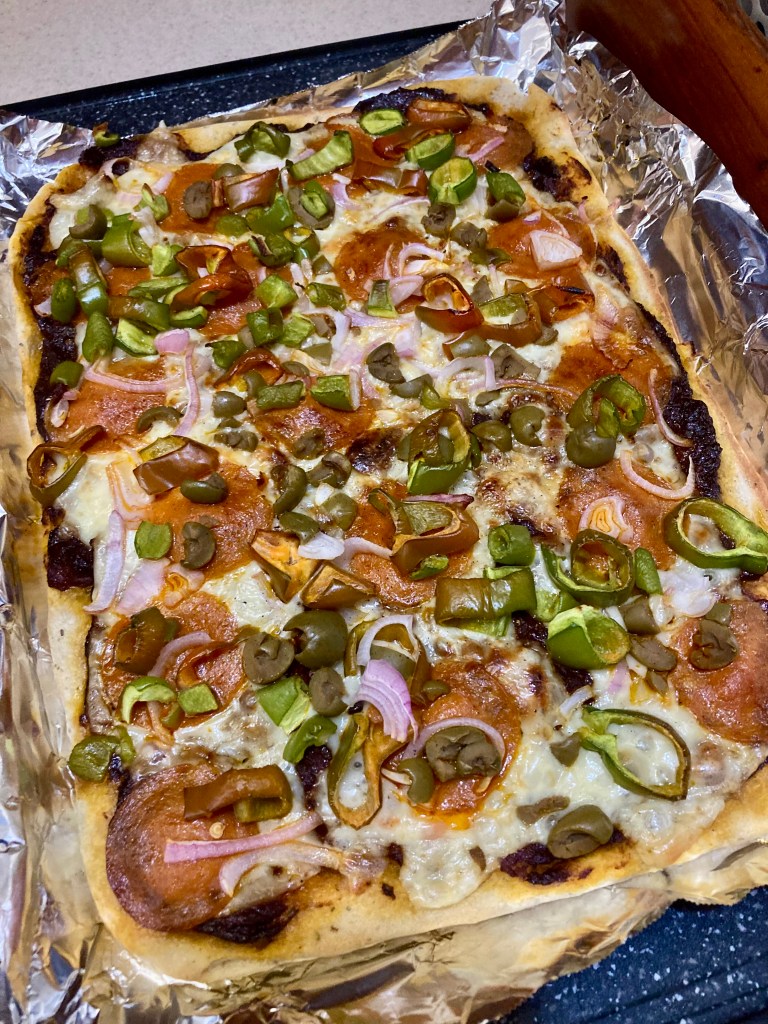
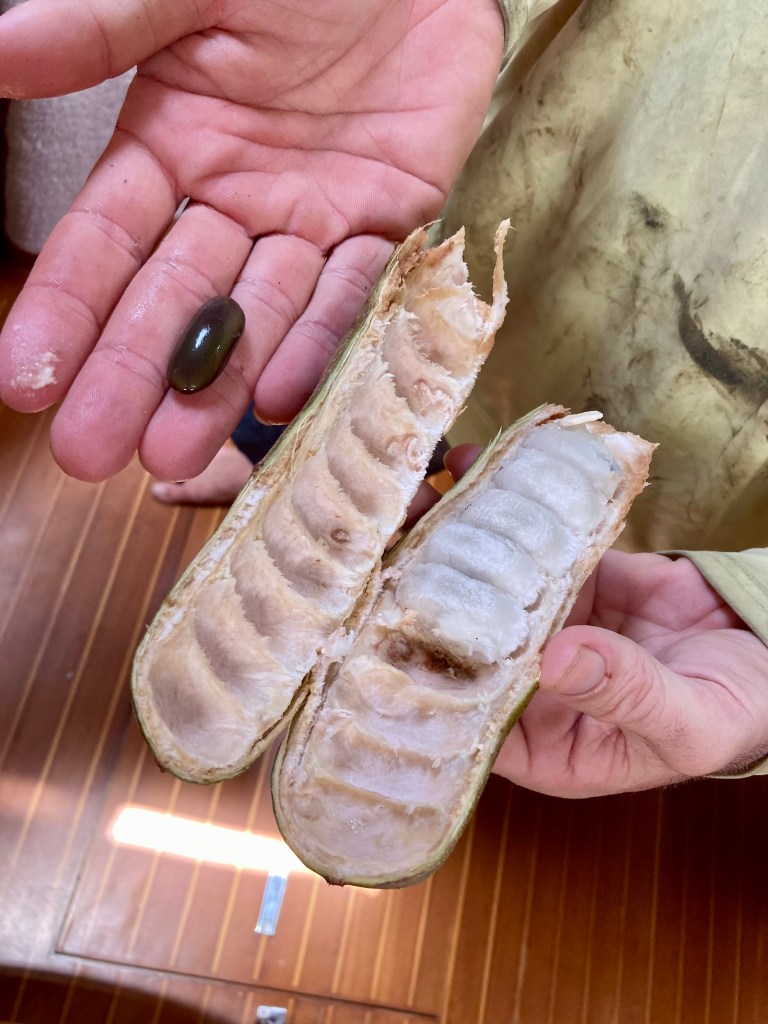
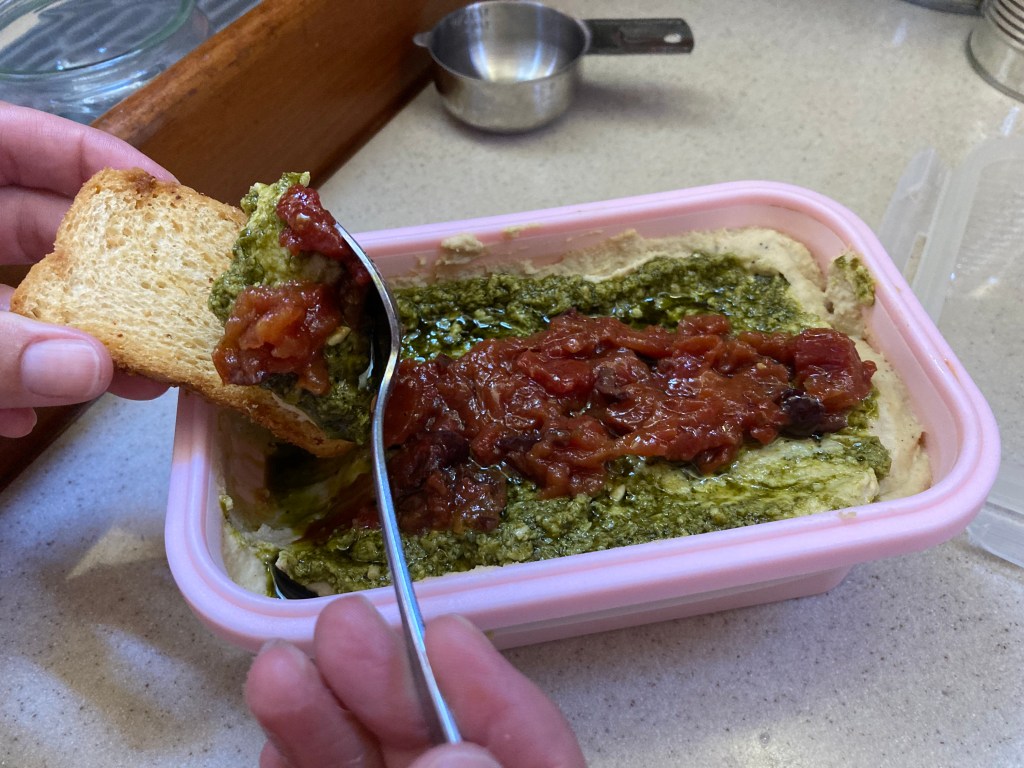
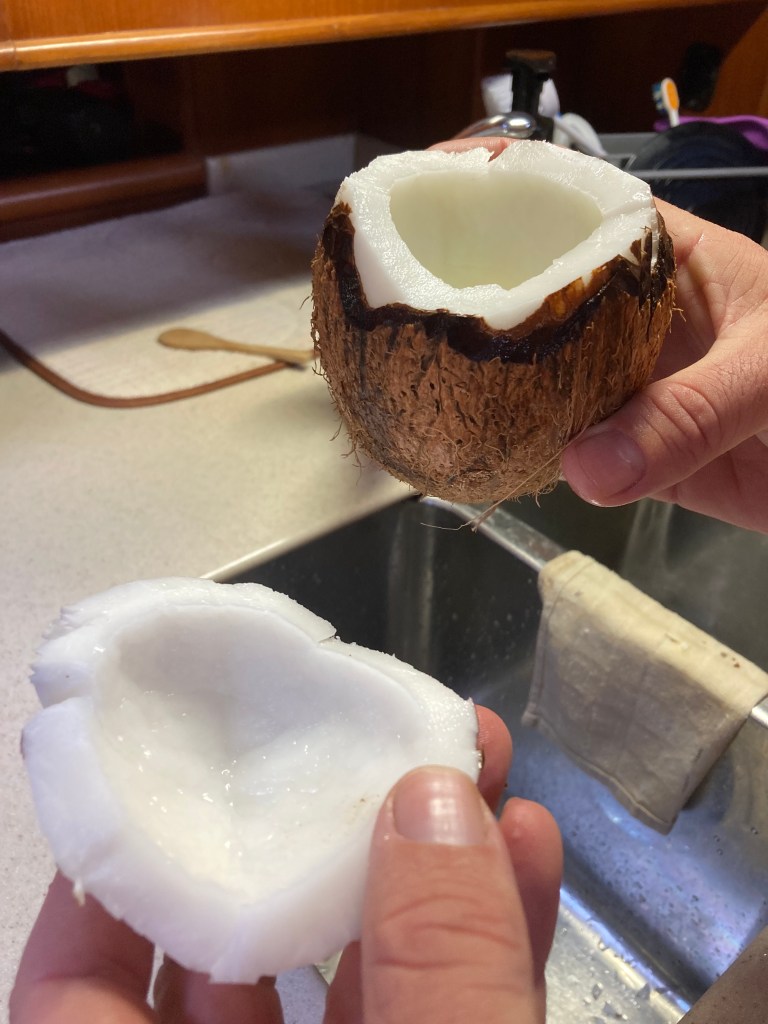
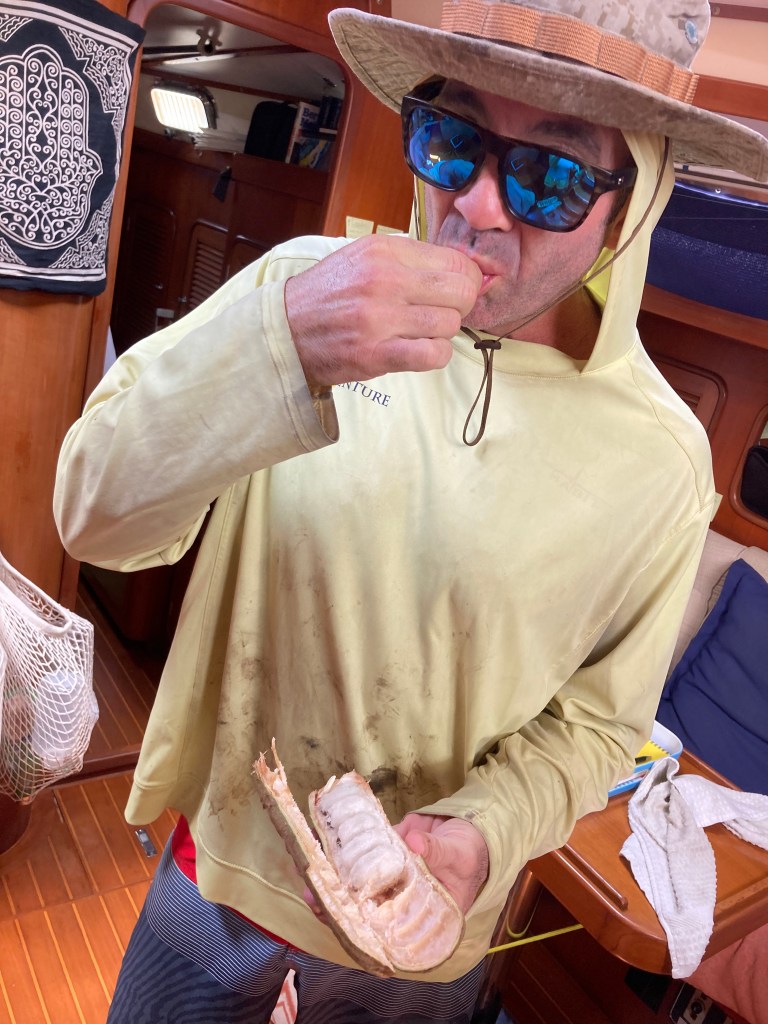
To track the list of provisions we need for remote anchorages or long passages, I use an excel sheet that documents all the foods we will need. Along with freezing, we use air-tight containers and a vacuum sealer to help keep our provisions fresh and bug-free. Back on land, I wasn’t an avid cook, but for some reason, out here on the ocean blue, I am trying new recipes and learning how to prepare exotic foods that come our way. From hacking open brown coconuts full of delicious meat, making hummus from scratch, learning to fry up tostones, to eating cinnamon-sweet gauba right from the pod, we are eating well!
isla iguana
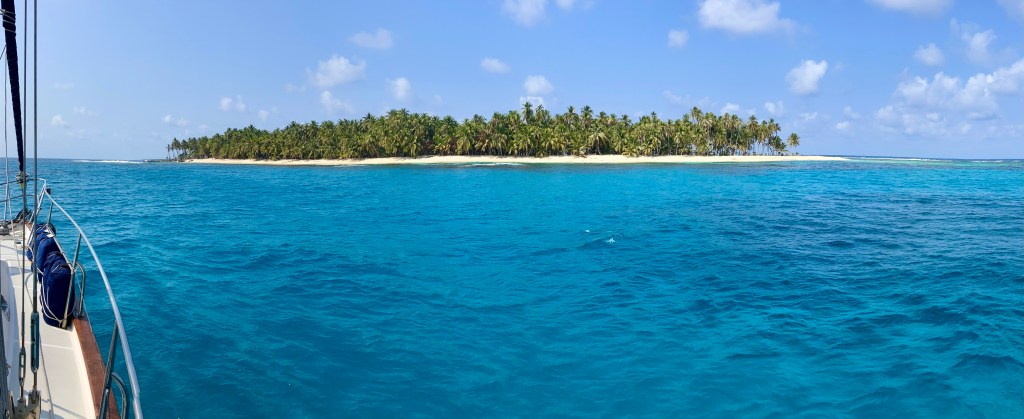
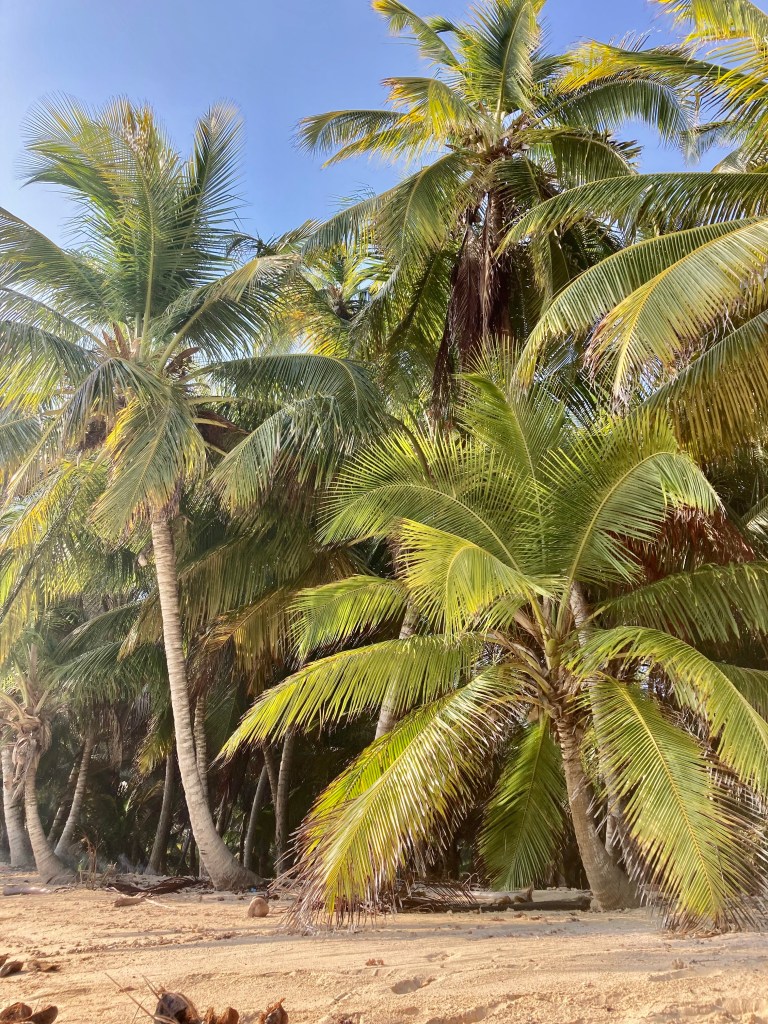
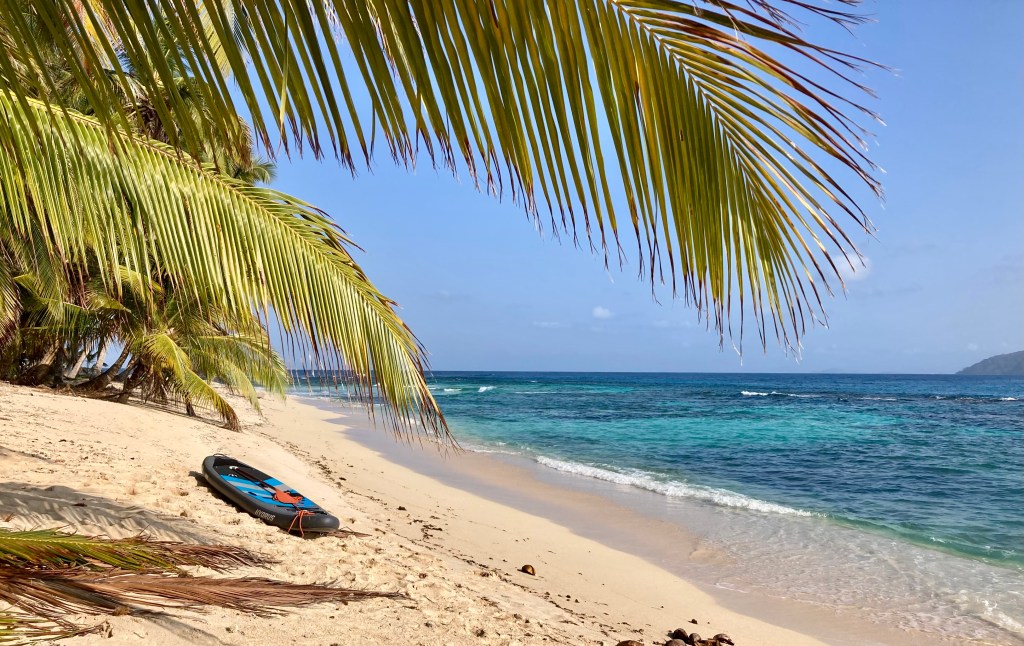
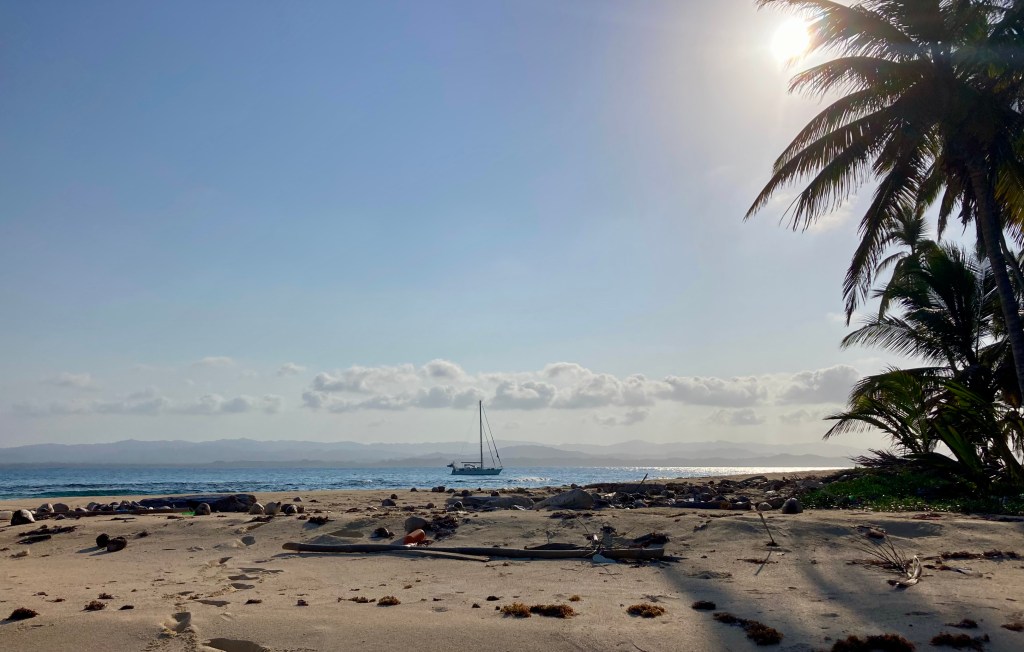
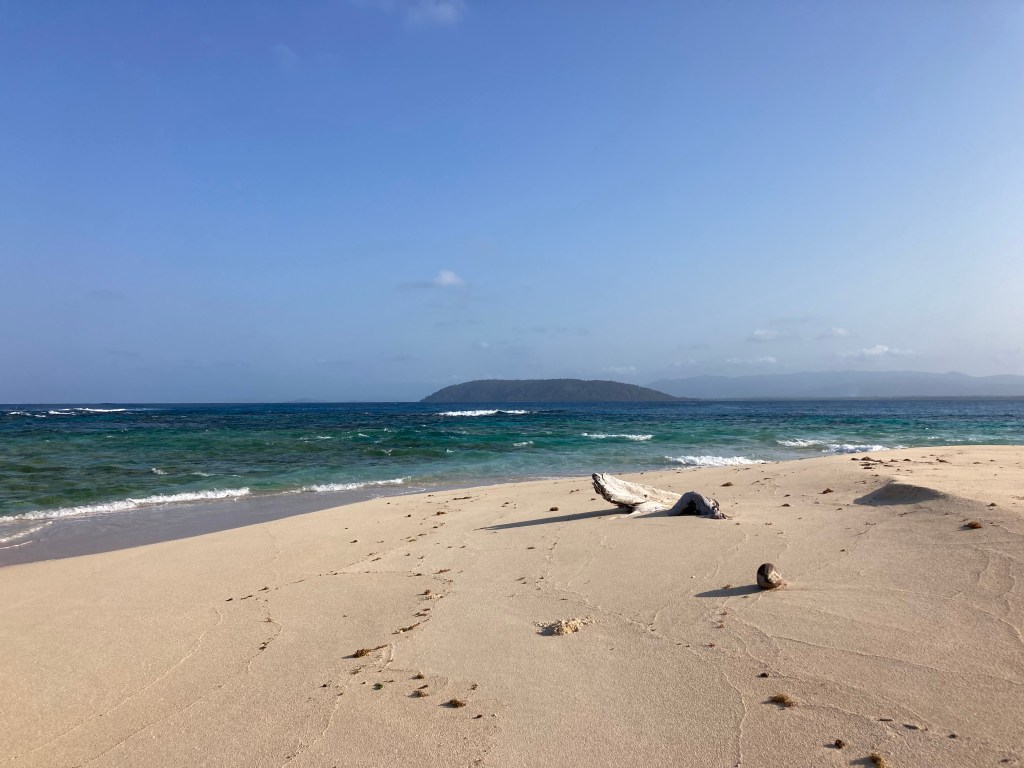
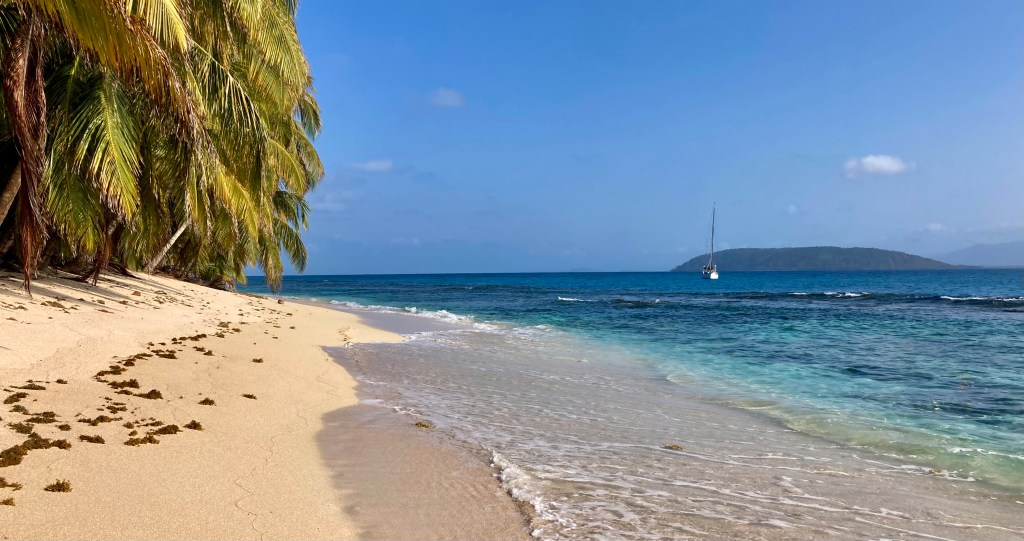
After almost two weeks in the protected mangrove bay, we were feeling the itch for some clear water so we could swim. Since we were heading directly into the wind, which was light, we motored to Isla Iguana: a small, deserted island full of coconuts, birds, and not a soul in sight! While we waved to a few passing canoes, we did not interact with anybody at this anchorage. Fishermen use two small huts on the island to stay out longer since it is a bit of a distance back to the mainland.
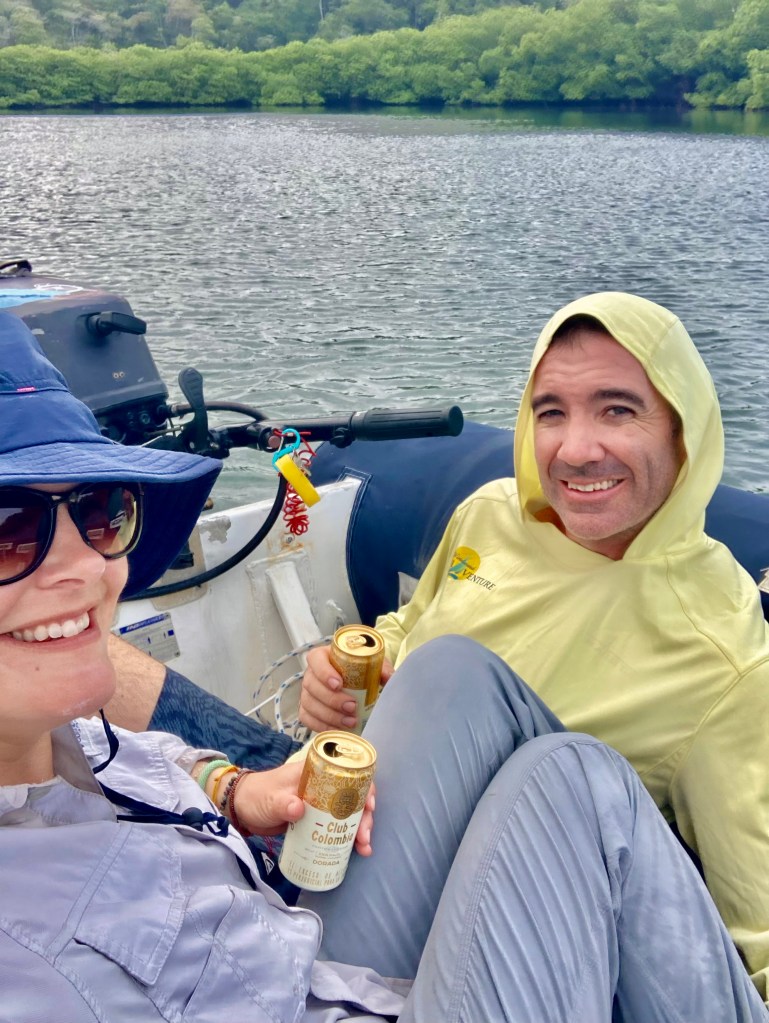
We had to navigate around a few huge coral heads to anchor in a seabed of white sand: it was worth the work! We later reflected on how much we had grown in our ability to traverse sketchy areas that had terrified us in the Bahamas. After we set the hook, we usually do a passage pick-up of the boat, but we were so excited to explore the beach before the sun went down; Eric pumped up Petunia – the paddle board, and I paddled us to shore with a couple of beers.
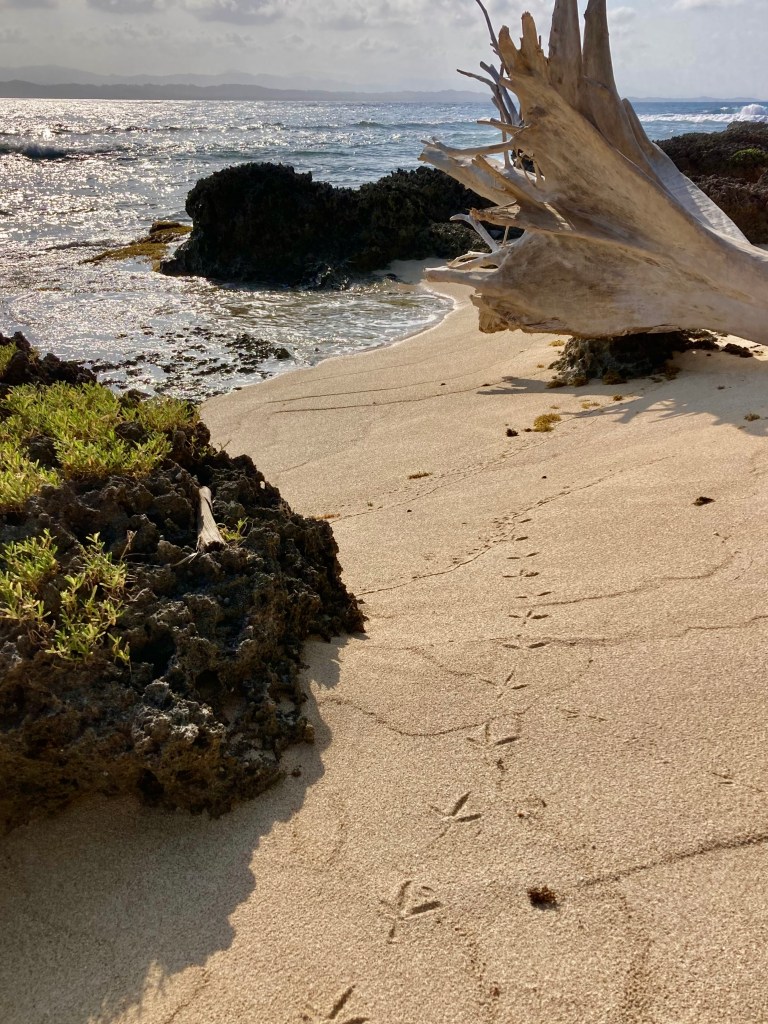
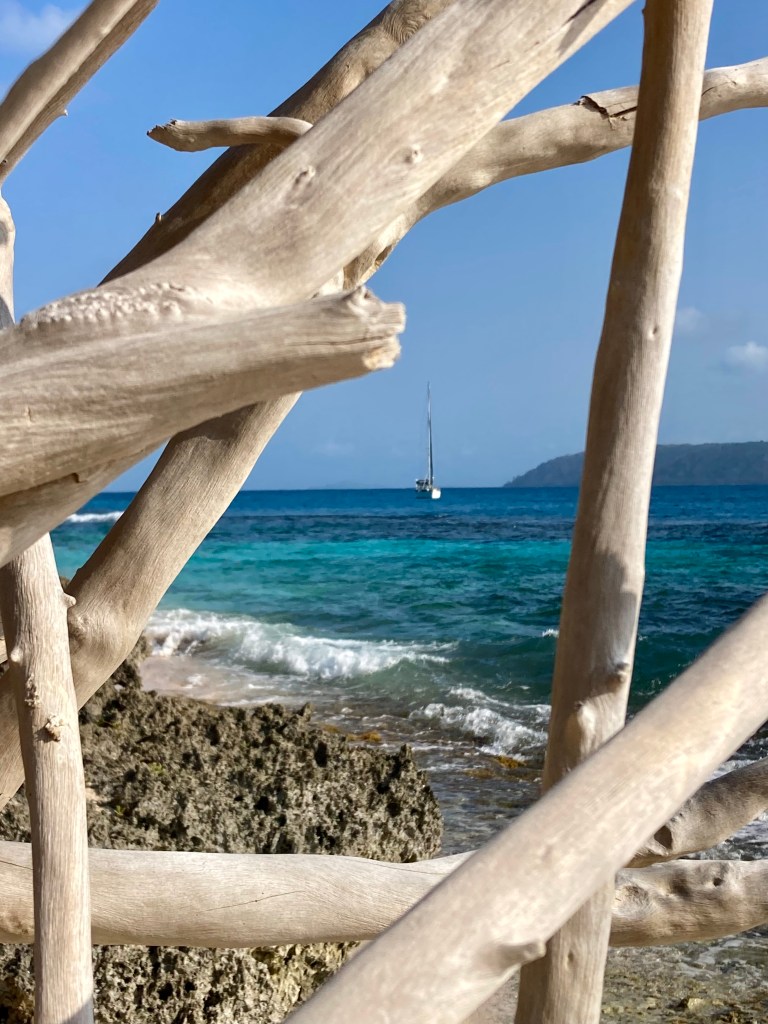
Only the sounds of the birds and the waves filled the air as we stretched our sea legs on the powdery sand. Besides our time walking around Port Obaldía to check in, this was the first time we had been on land since we left Colombia in mid-February. Unlike our dramatic check-in, this excursion was fantastic and full of joy! I ran around, played in the water, and let my childlike spirit shine as we watched the setting sun.
Back on the boat, we ate a steamy bowl of ramen – our favorite after-a-passage meal and gazed at the night sky. Isla Iguana is a small island with a bit of protection from the waves, but it was bumpy. However, it was so beautiful that we stayed three nights to soak up as much snorkeling and beach time as possible before heading to another protected bay.



bahía masargandi
It’s March 9th – we haven’t bought fresh food since February 12th, and we were out of eggs, down to a few potatoes, onions, and a cabbage: it was time to replenish the provisions. We set out for Ustupu, one of the largest Kuna settlements, where we could hopefully stock up on freshies. As we motored to the new location, there was an unspoken feeling of not being ready to return to civilization…just yet. So, when Eric said there was a mangrove bay before Ustupu that we could stop in for a few days, I immediately said, “Yes!” (Who needs eggs, fruits, and vegetables??) I had enough frozen items and canned goods, along with our plentiful stores of rice, pasta, and other dry goods, to create meals that would satisfy our cravings…for now.

We thought Escocés was big, but Bahía Masargandi felt like we were driving around a large lake protected by a massive mountain range to the southwest and rolling hills to the northeast. We slowly moved through the bay and easily spotted the bombies that were inaccurate on the chart. We passed one little, rocky island with a couple of huts on it and only saw a few canoes coming and going to the back of the mangroves. We dropped the hook and were giddy with our decision to skip the provisions for another isolated anchorage!
We prepped Oleta for a few more days of peace and quiet – except for the howler monkeys and birds that gave impressive concerts every morning and evening. I tried to record their sounds, to share, but the microphone didn’t do them justice.
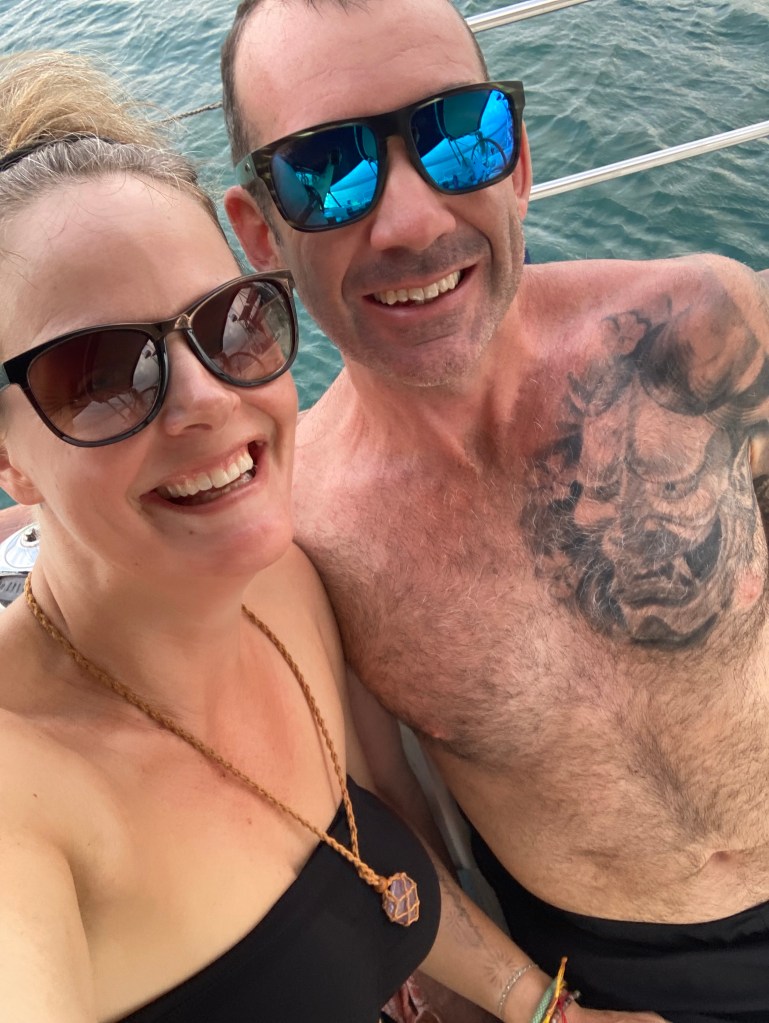
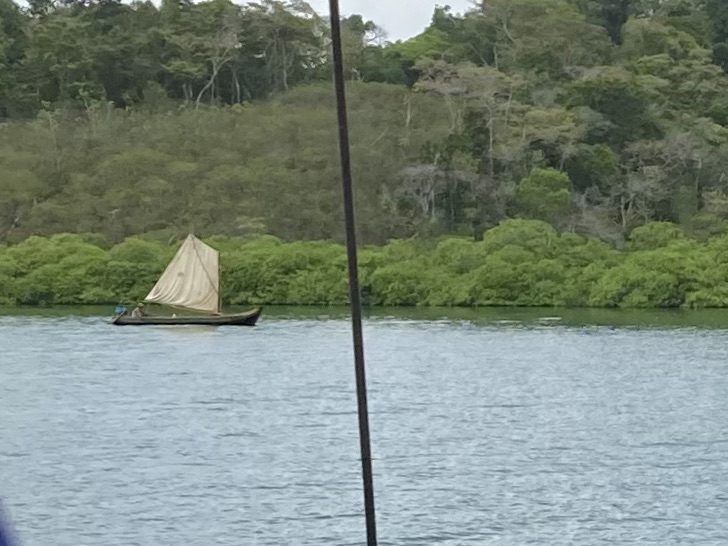
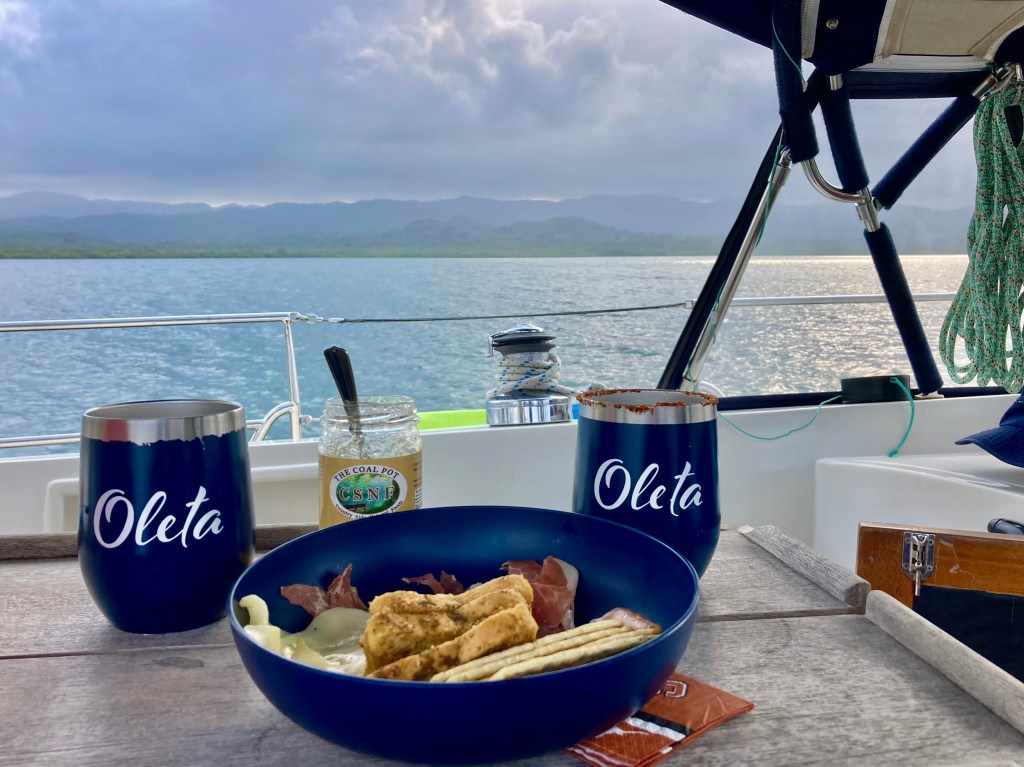
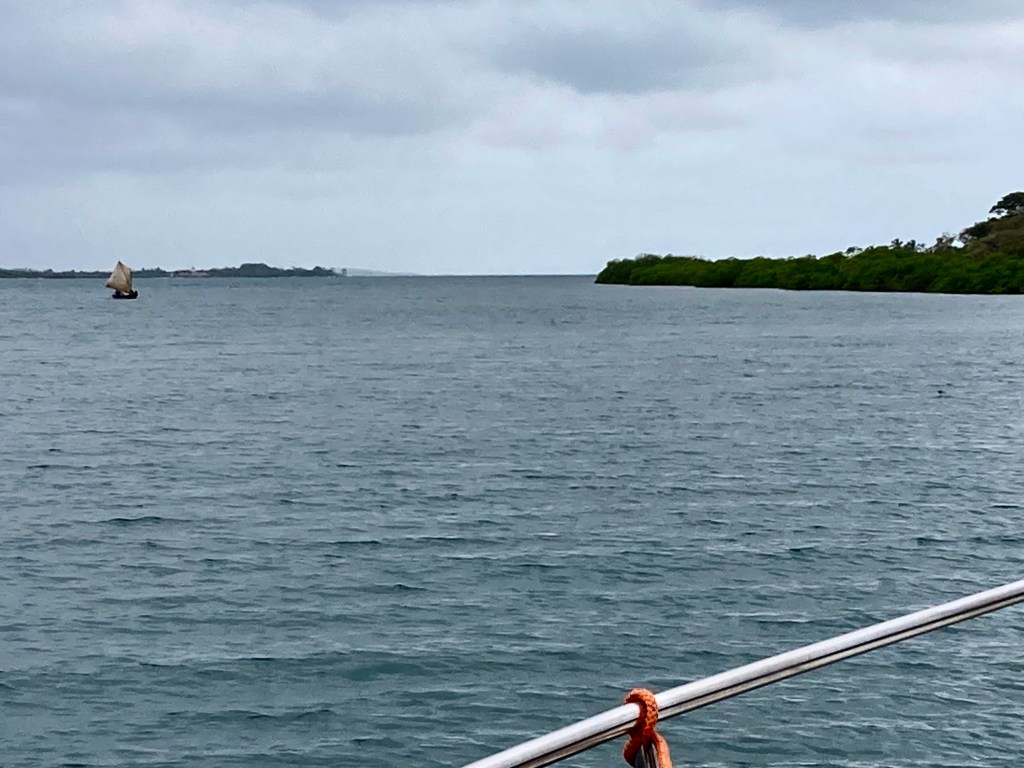

As we settled into our daily routines, we found ourselves making excuses to stay longer – just another day at a time. What started as a 2-3 day stop became two full weeks!
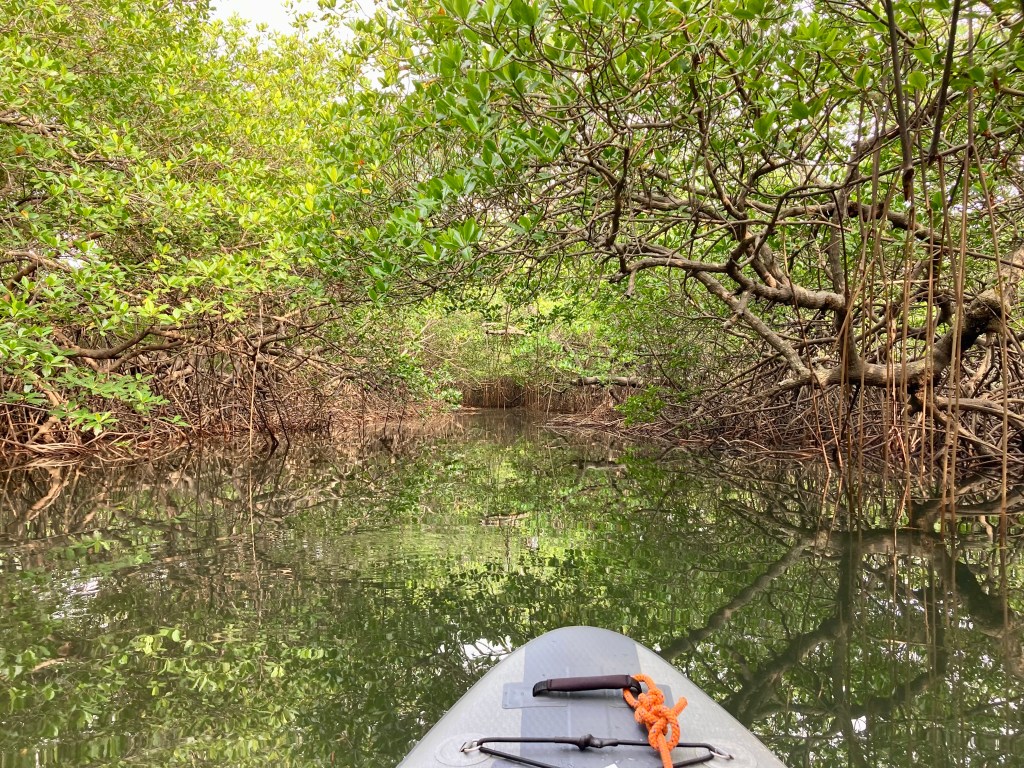
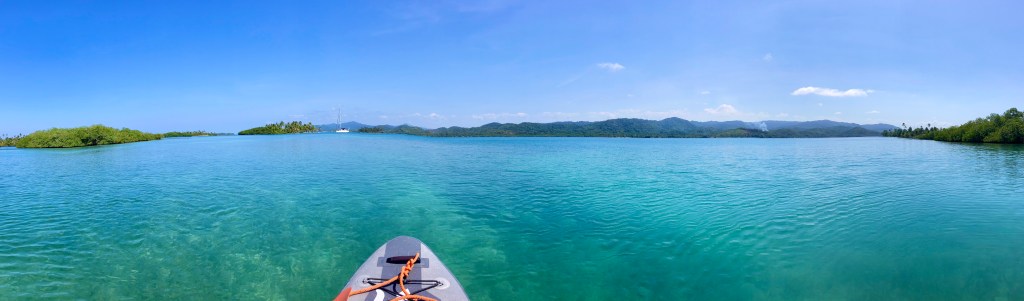
After watching the locals swim near the mangroves as they fished, I decided to be brave and go on a paddleboard expedition. I was anxious, and my heart was beating wildly, but with some calming breaths, I ventured to a little nook near Oleta and was stunned by the beauty that surrounded me.
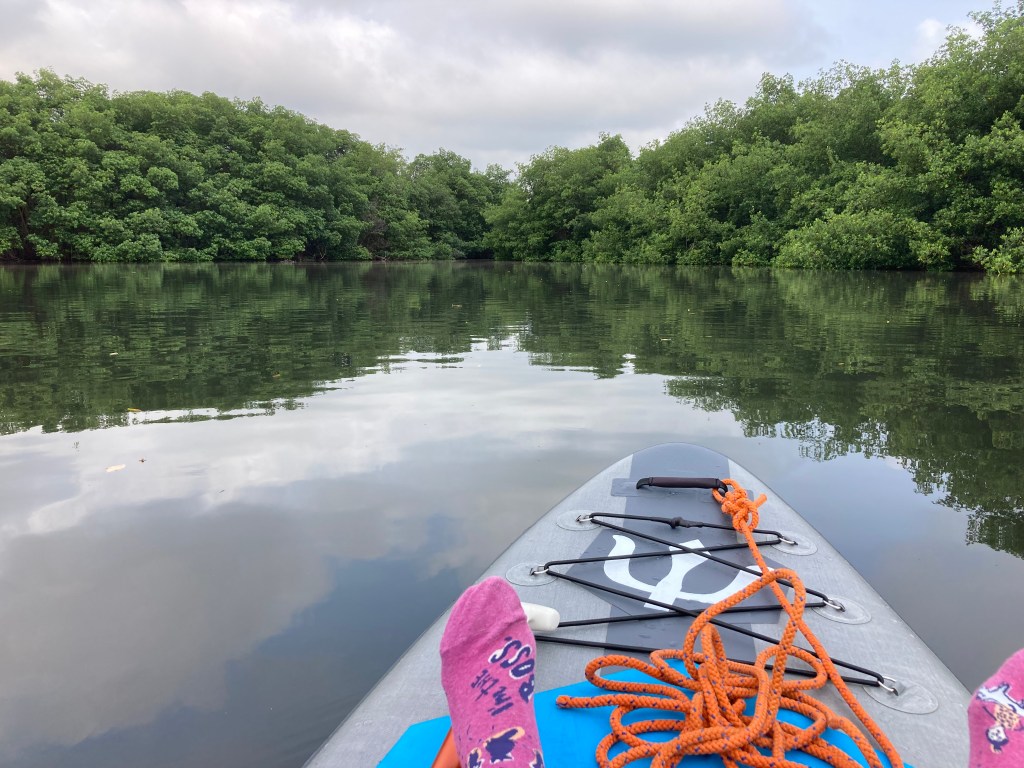
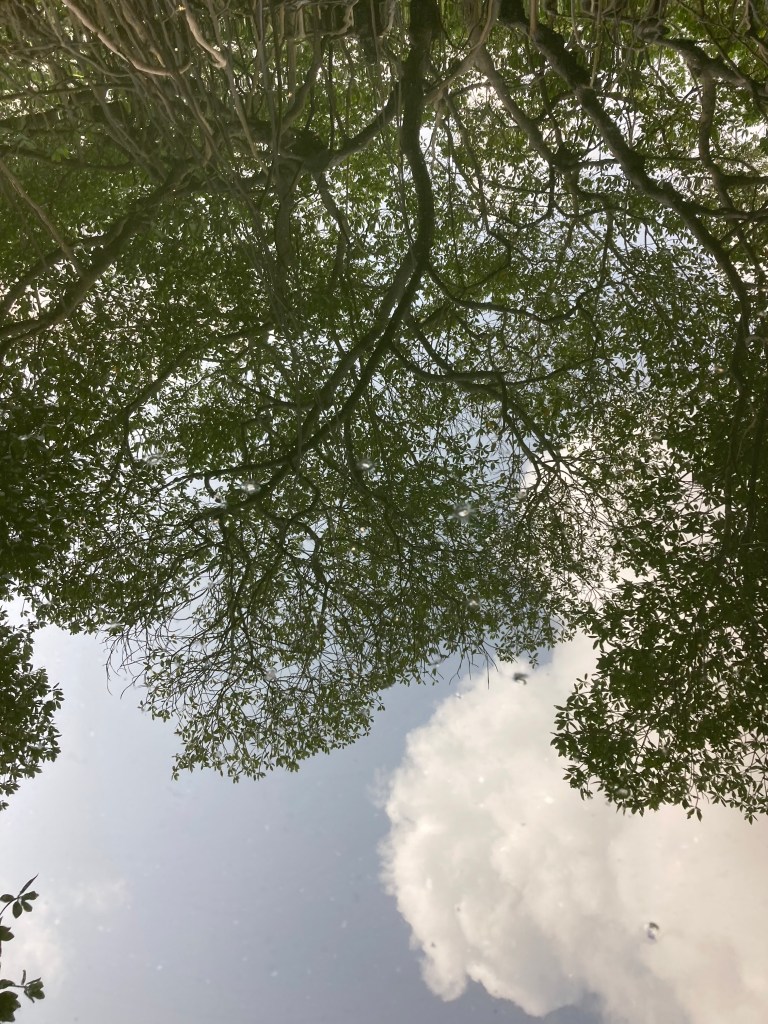
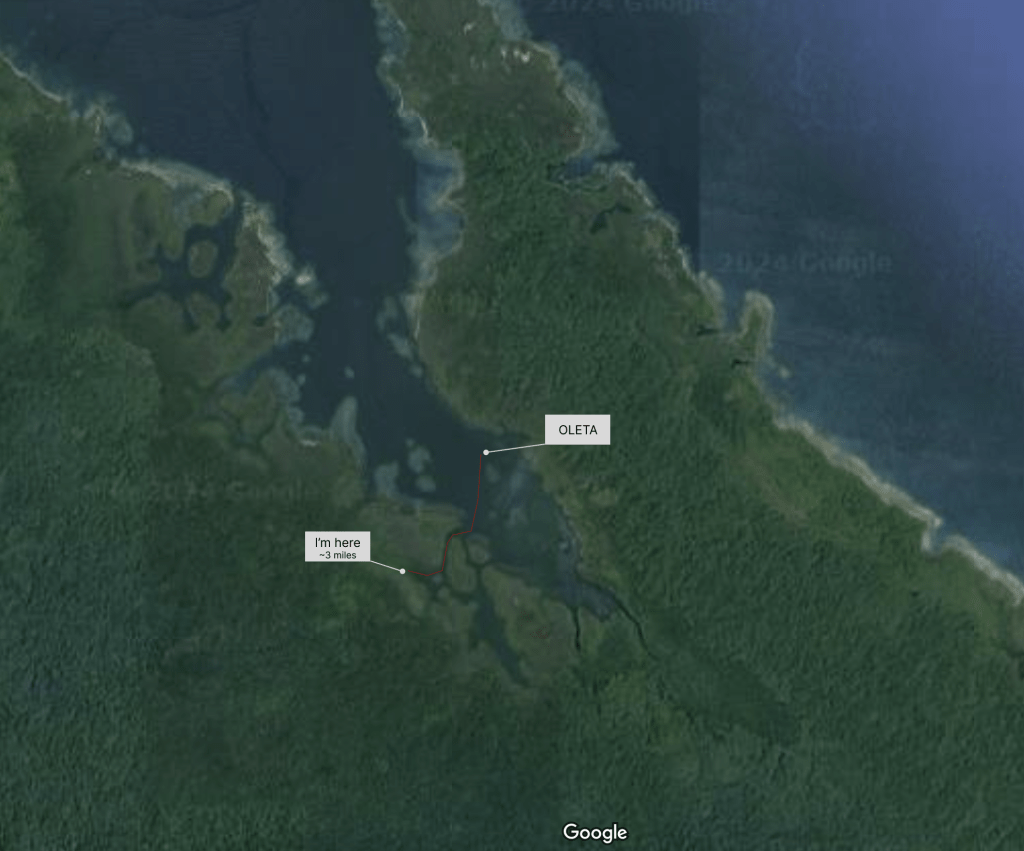
Eventually, we got the dinghy down – this was the first time since the fiasco in Port Obaldía and went on a bay tour: it was massive! What we thought were shorelines were openings to more areas of little lush islands composed solely of mangrove trees. The sun was getting low, but as we started to make our way back, we motored by a spot that was visibly shallower and led to an opening in the mangroves: this would be a place I visited three times on my board. On one paddle excursion, I heard a strange fan-like noise, and when I looked right in front of me – about thirty feet away, I saw a massive swarm of bees flying in a cloud of little black dots! It was fascinating to watch them move together to a new home. I fell in love with the mangroves on these visits and will never forget Bahía Masargandi.

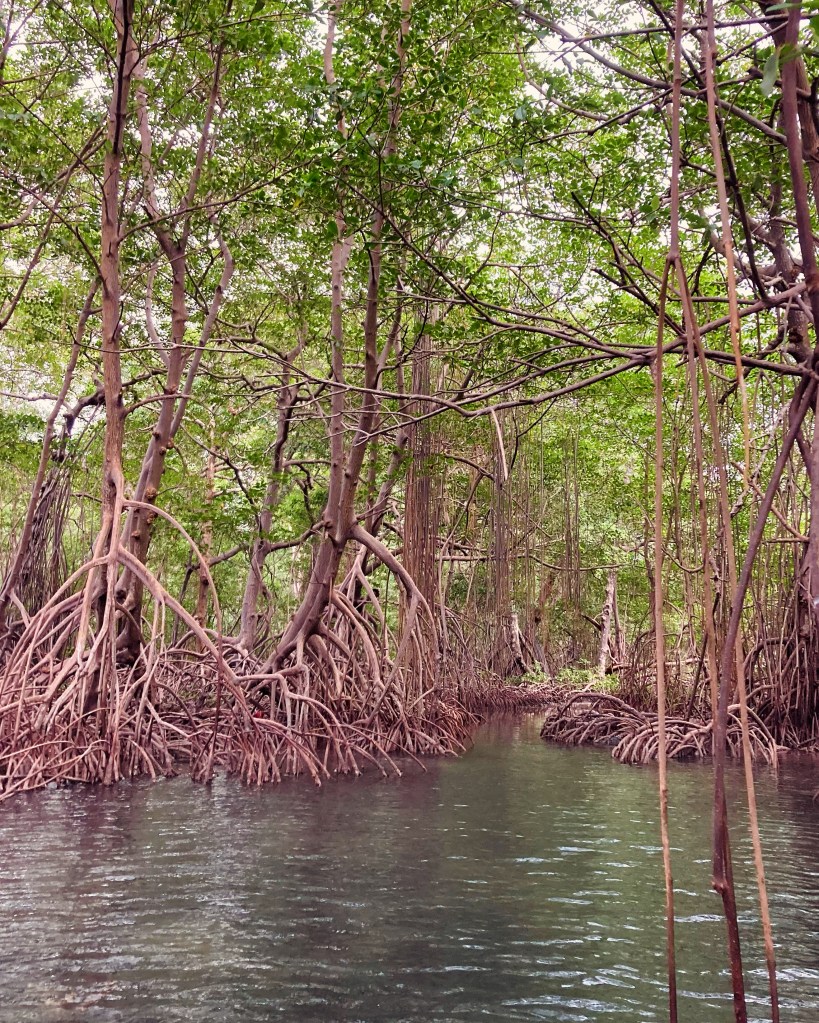

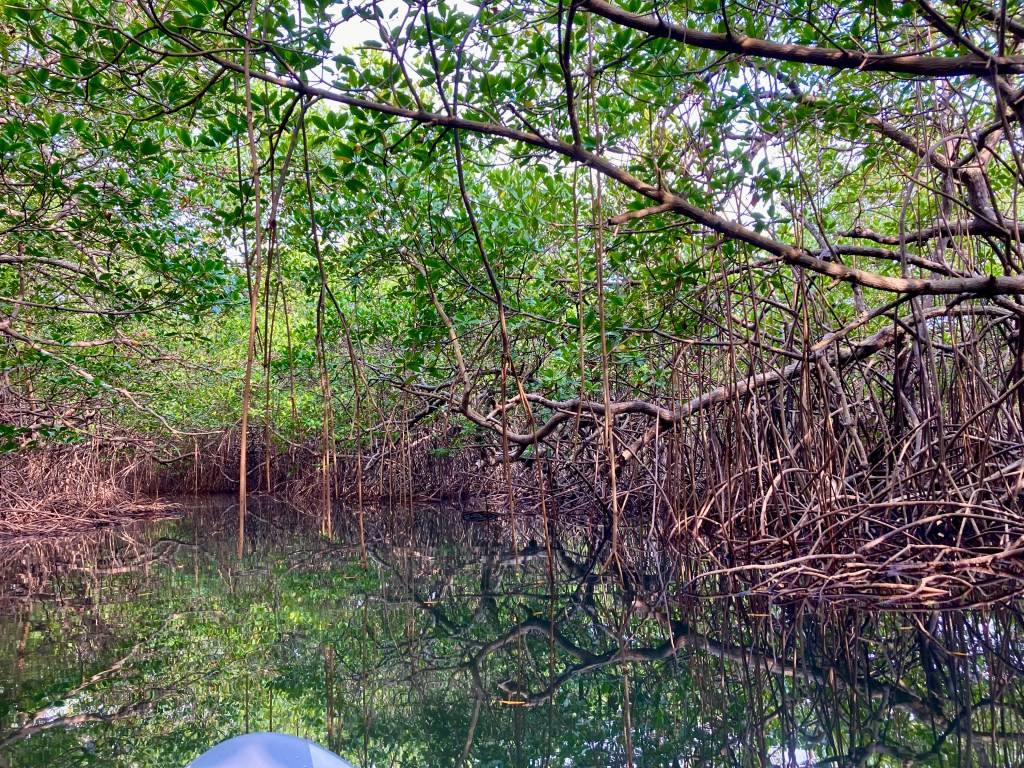
The Mangroves & Me: April 20th 2024
I let the excitement and jittery energy run through my body.
My mind is delirious with joy and a whirl of thoughts…
I hear a bird call and the water dripping from within the mangroves.
Dragonflies everywhere: reminding me of the magic all around.
I head to the place I feared only a few days ago...
Pushing through my trepidation, I venture into the unknown.
I sit, listen, and breathe:
Taking in the wonder and stillness.
Tiny minnows shimmer in the water and,
The muddy bottom, speckled with seagrass, is crystal clear
– like glass.
A crane swoops low as it flies deeper into the mangrove tunnel.
Little no-see-ums buzz my face and sweat trickles down my neck.
Breathing in the splendor, I smile and continue – just a bit further,
Until the path narrows and is too shallow.
Turning around, I slowly take in all the sights and sounds,
As I make my way back to the entrance,
Howler calls are loud and close, but
I don’t see any.
Then, I make my way back across the bay –
To Oleta: our home.
She takes us to enchanted places around the world.

ustupu
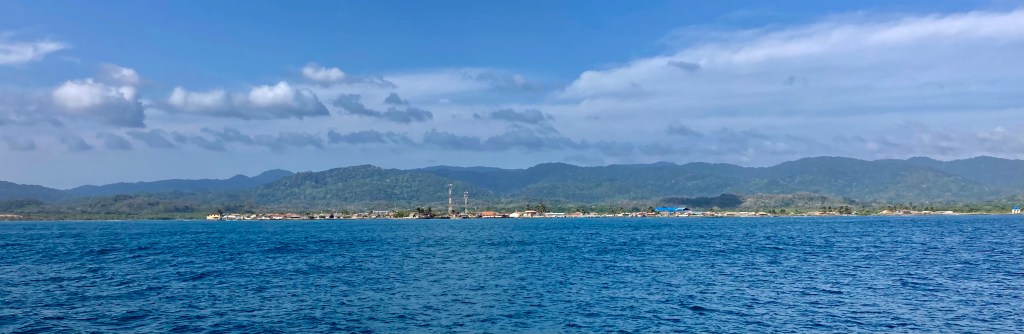
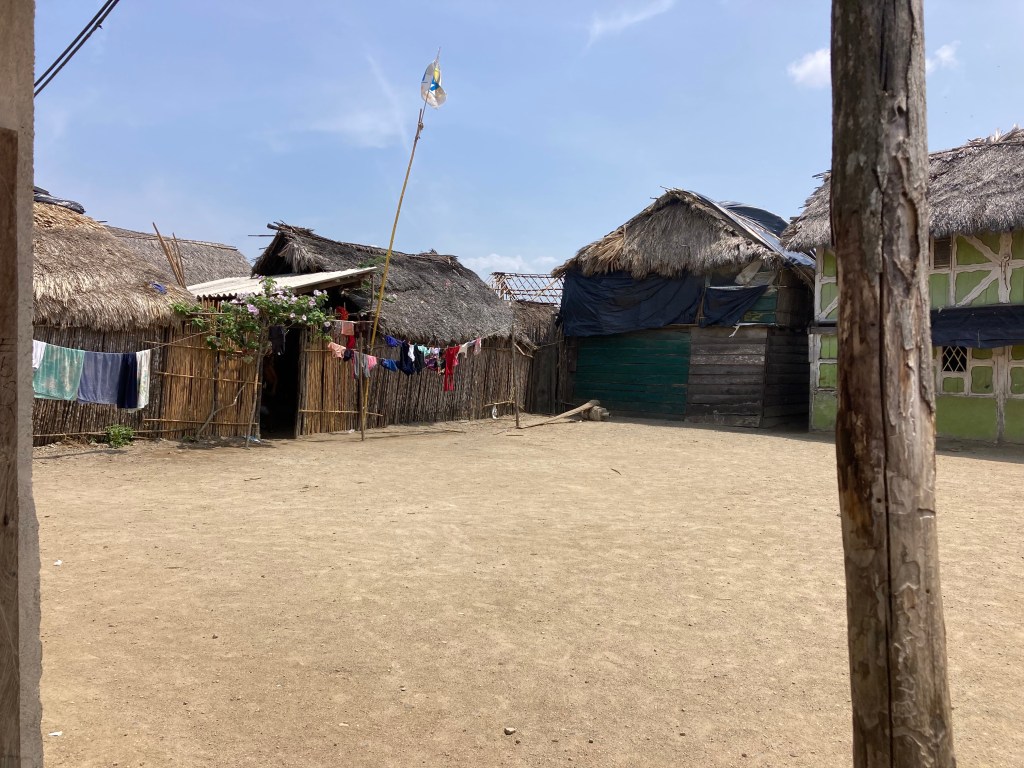
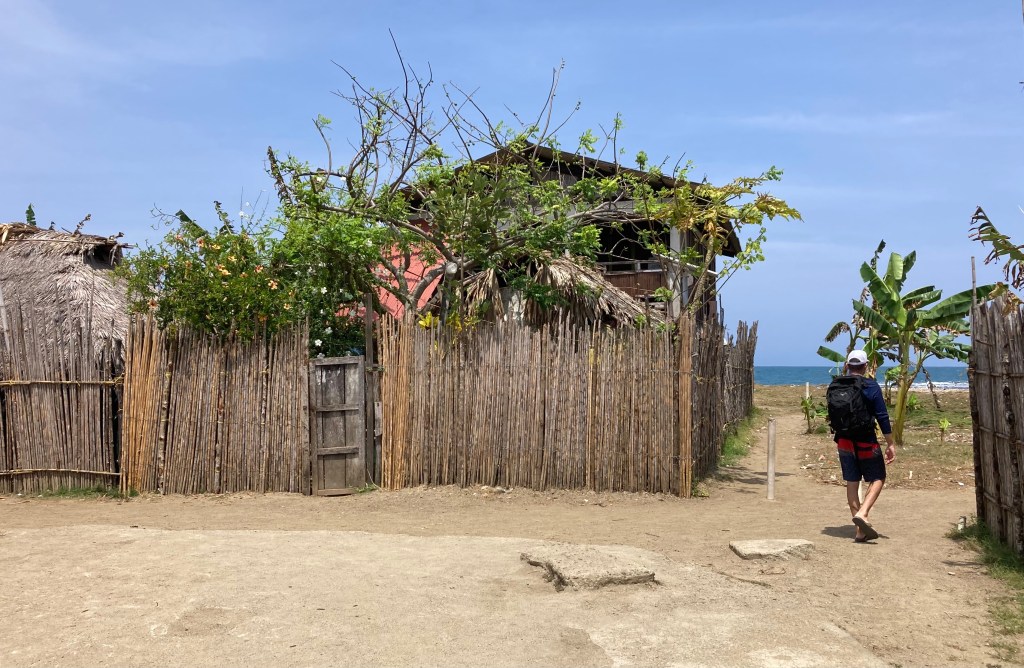
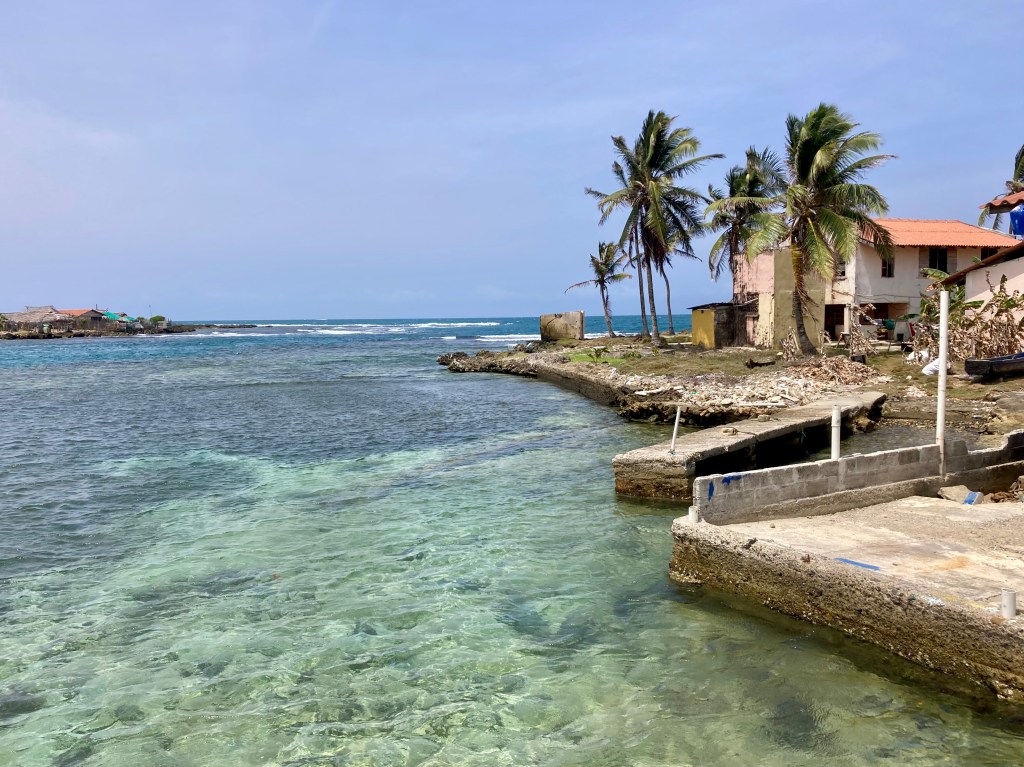
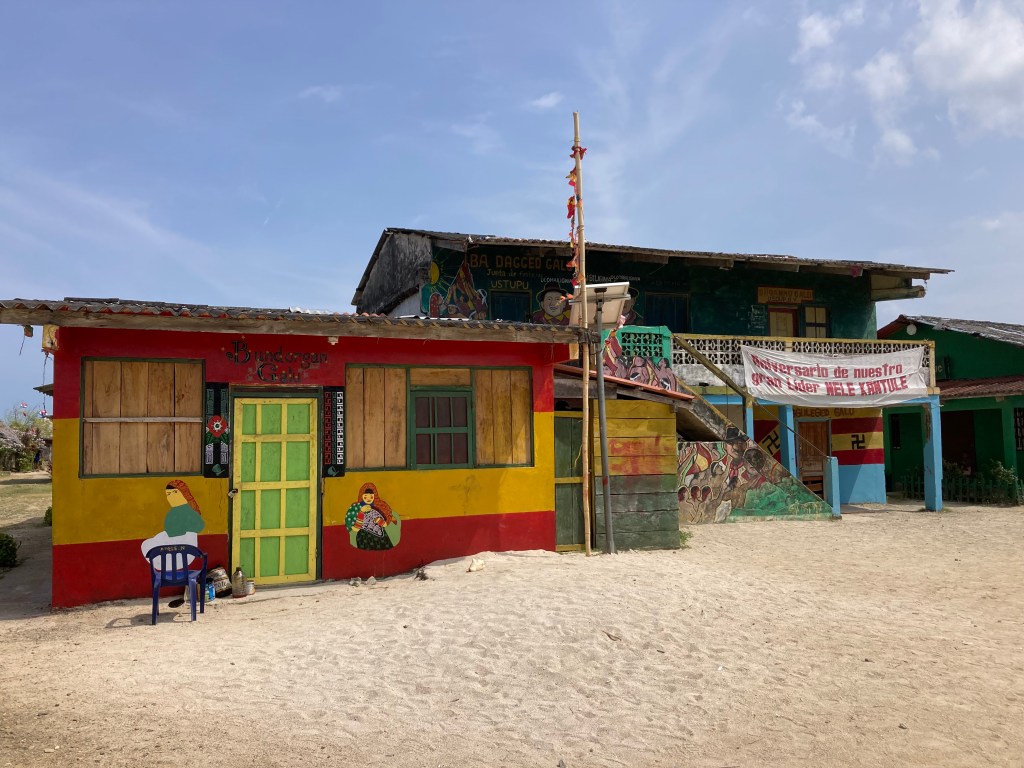
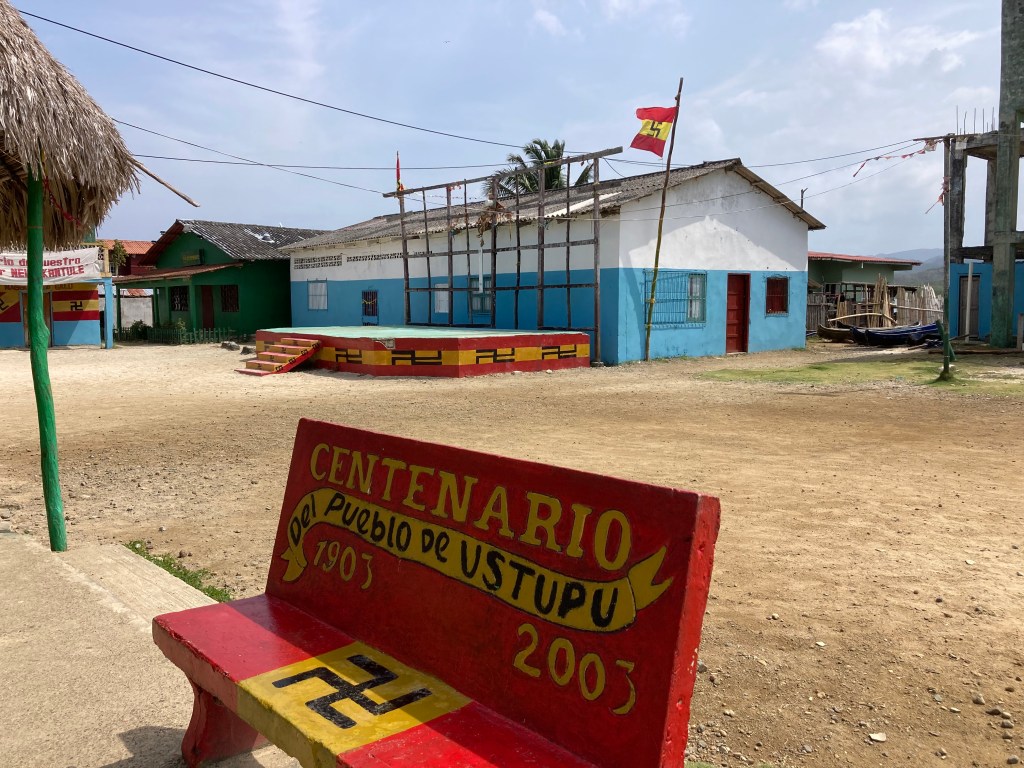
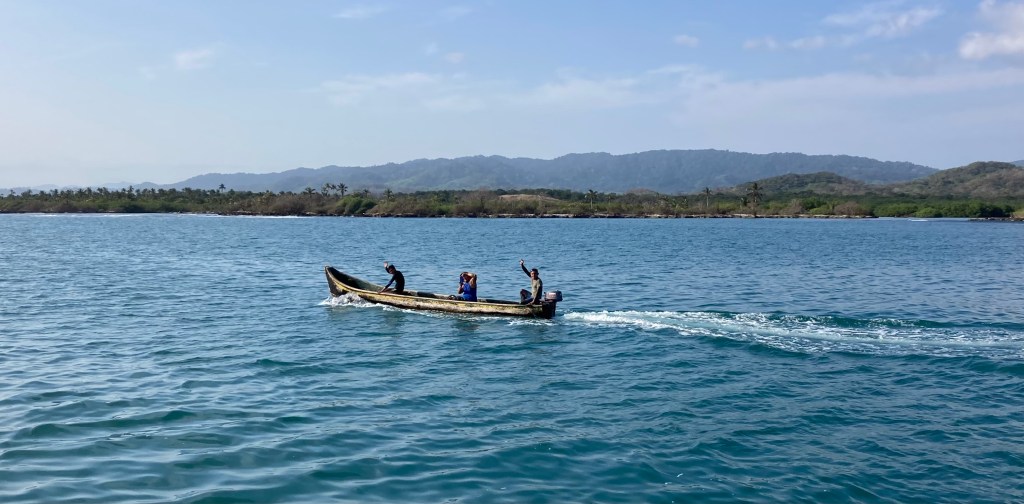
We finally made it to civilization, a.k.a. Ustupu, and stocked up on fresh foods. Everyone was friendly, and we interacted with more people in two days than over the past month!
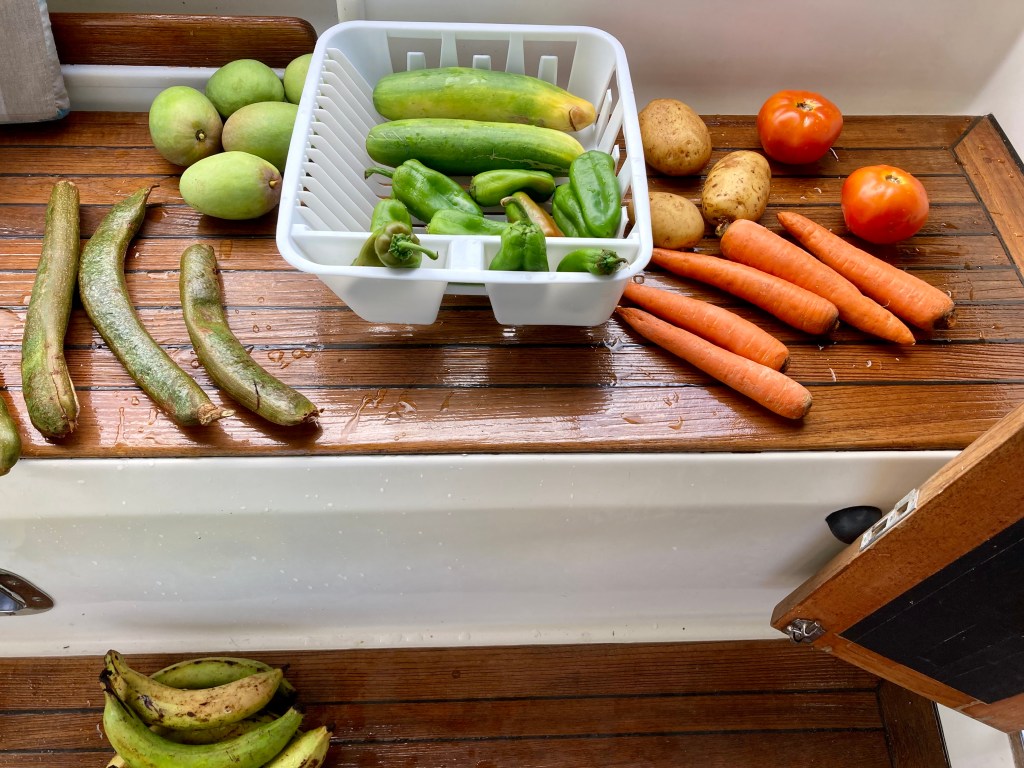
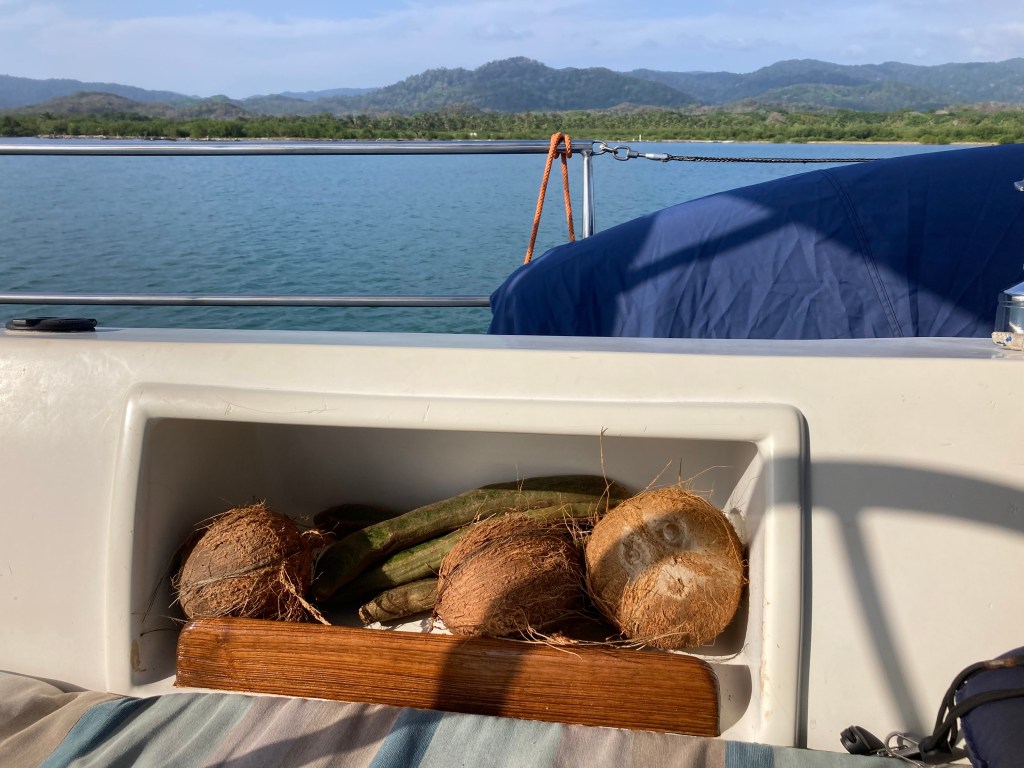

On our second visit to town, we walked around and I was able to take some photos. I purposefully did not photograph people to be respectful.
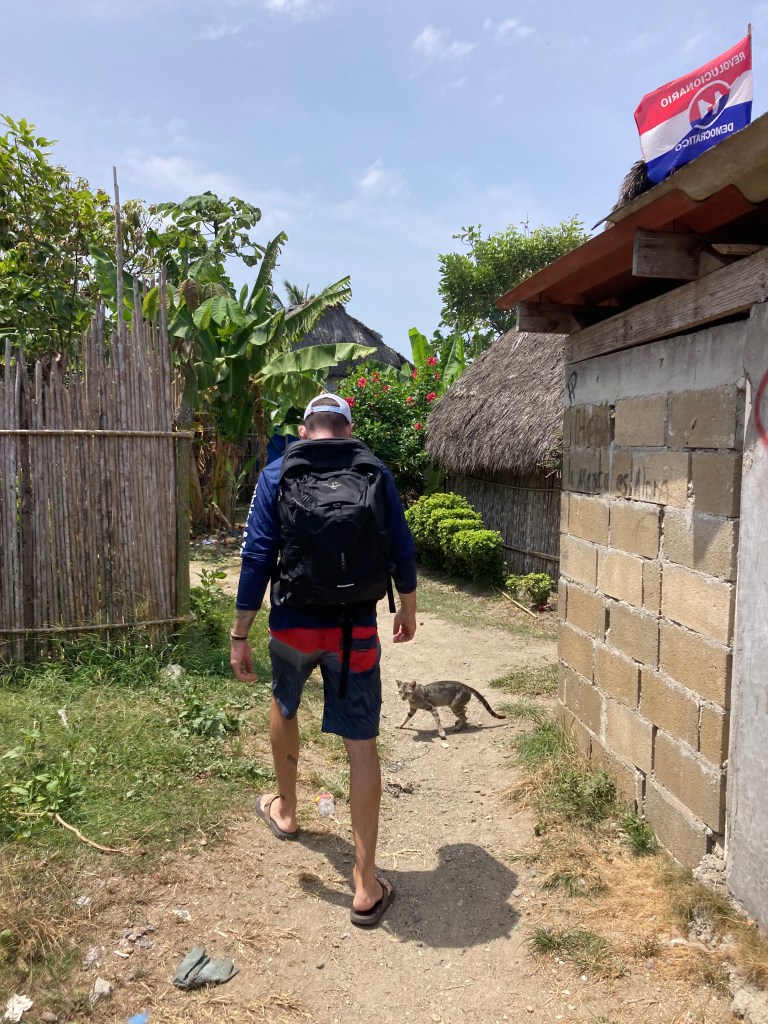
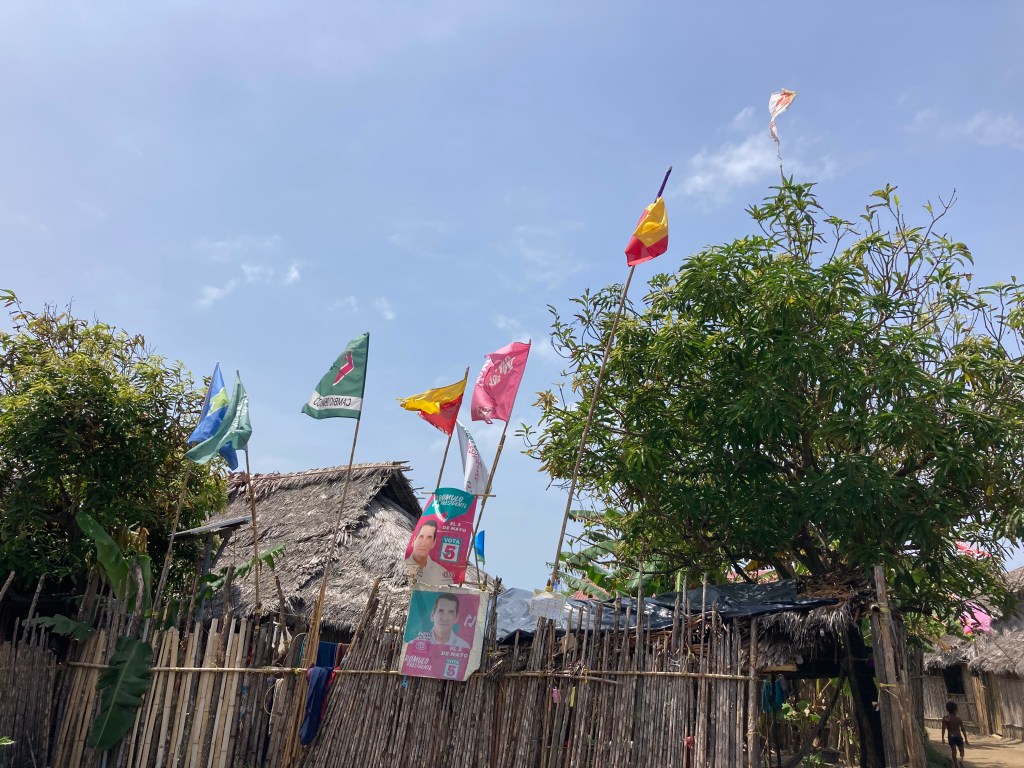





snug harbor
We were ready for it to be just us again, so we moved to Snug Harbor, a cluster of small islands composed of mangroves and sandy beaches. It is off the coast and near another Kuna village, Playón Chico. This area is crocodile-free, so we were excited to jump in the water. Speaking of water, we have a fantastic watermaker on board that turns seawater into fresh water for drinking, bathing, cooking, and sharing with the Kuna fishermen! It truly is a game-changer for traveling to places with limited access to fresh water.

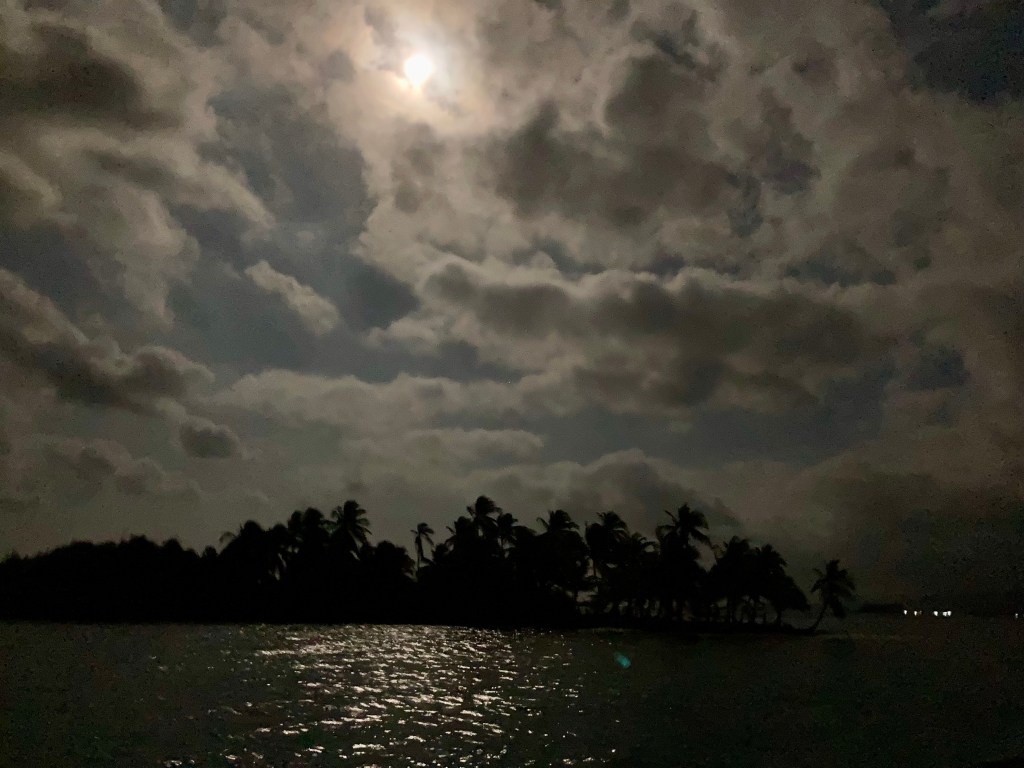
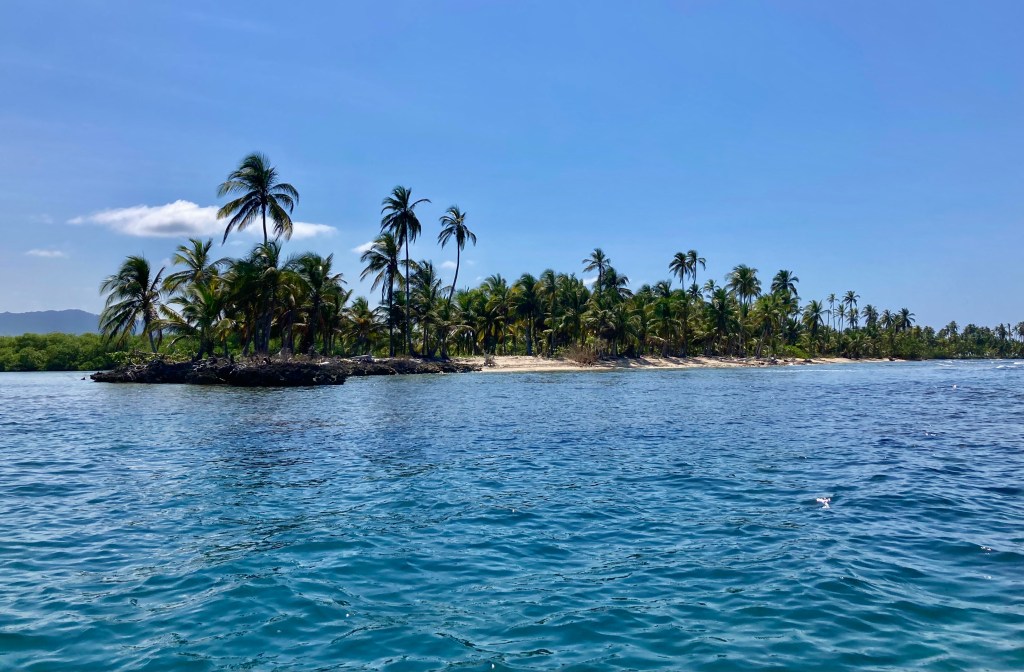

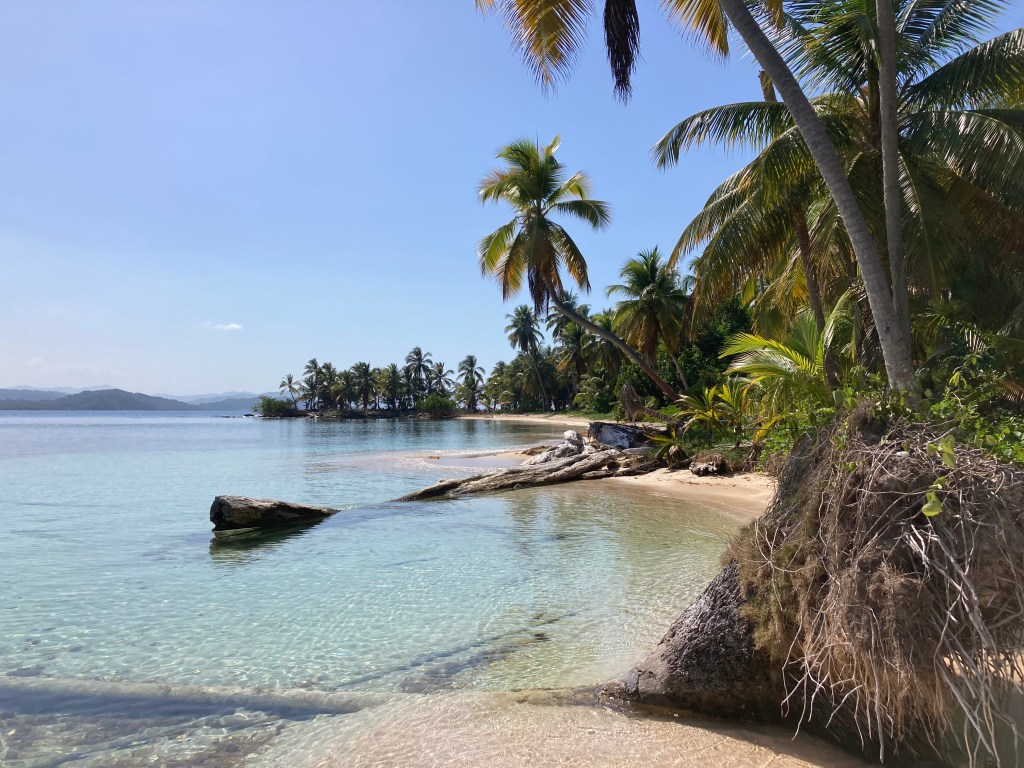
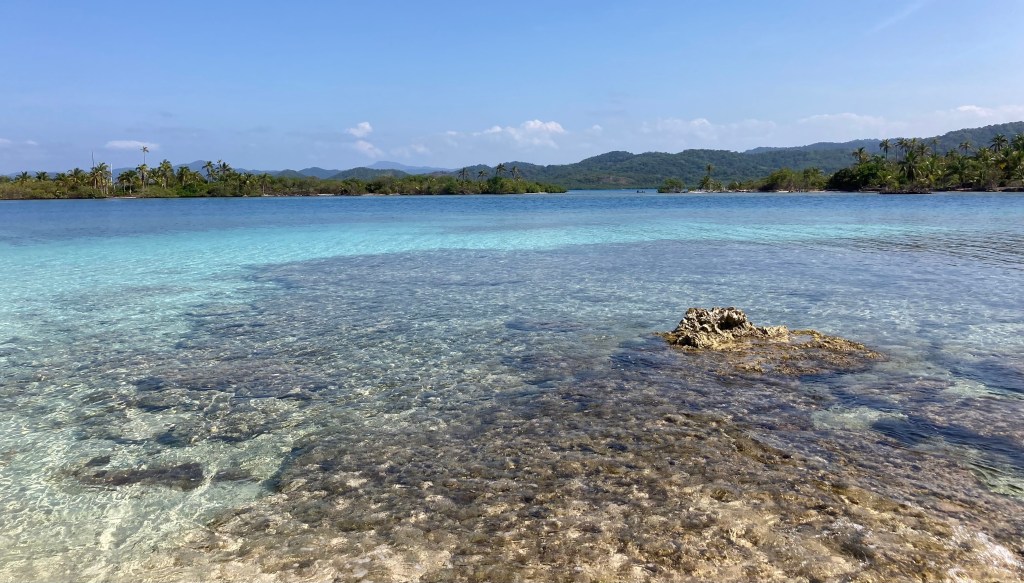

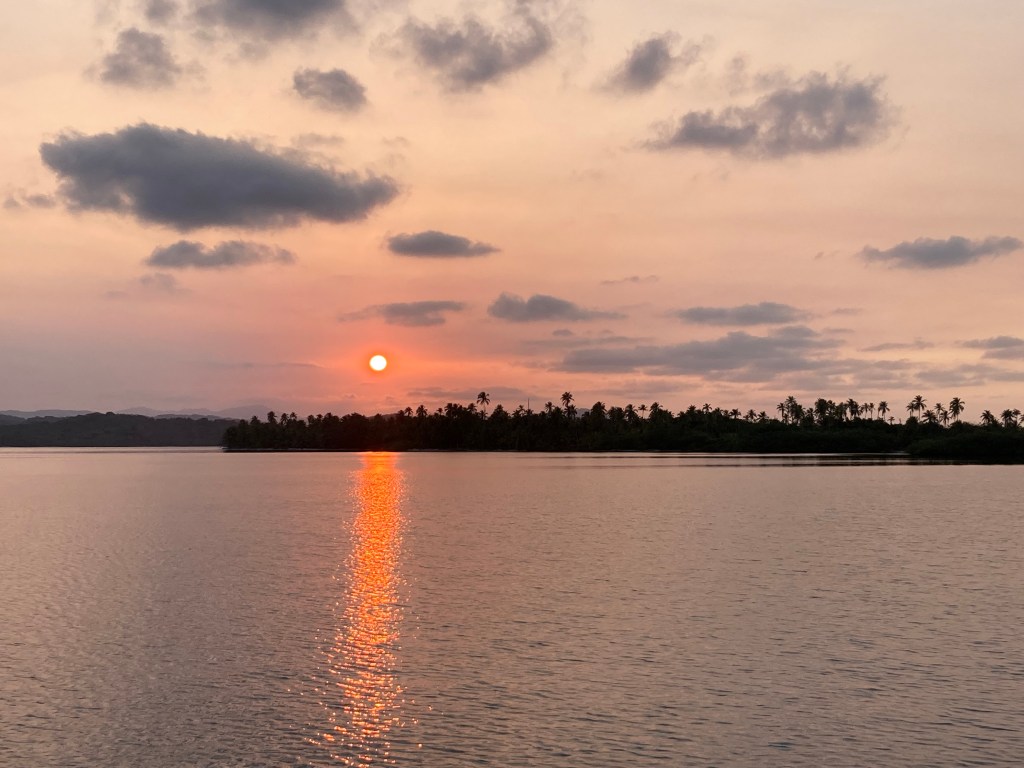
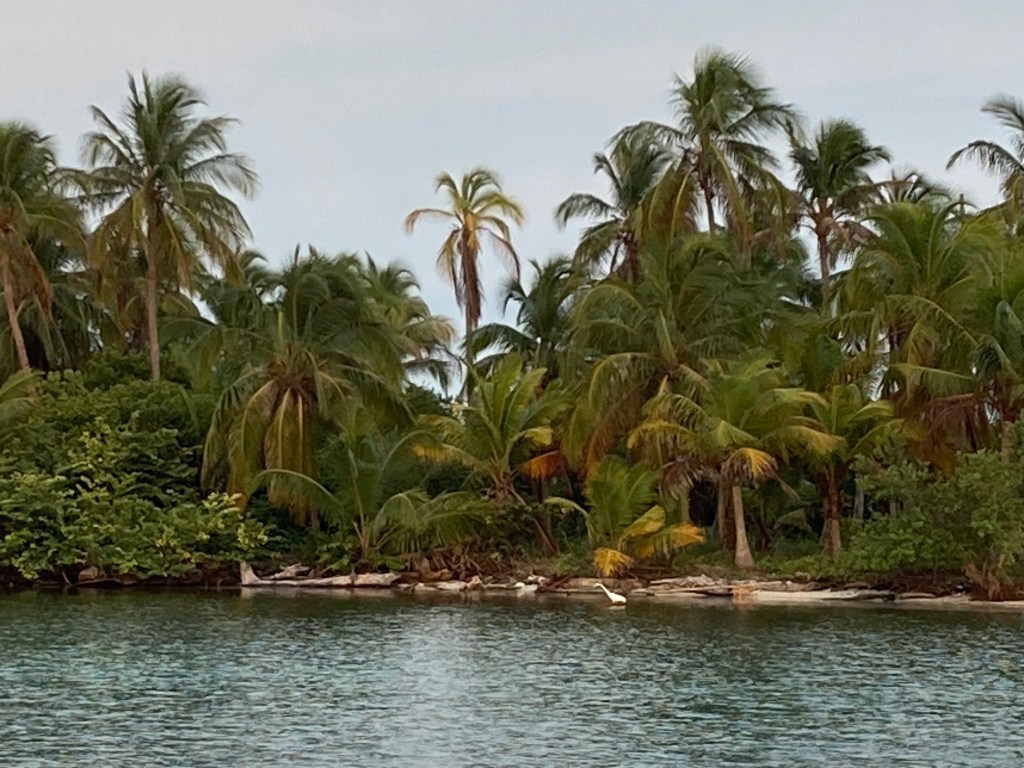
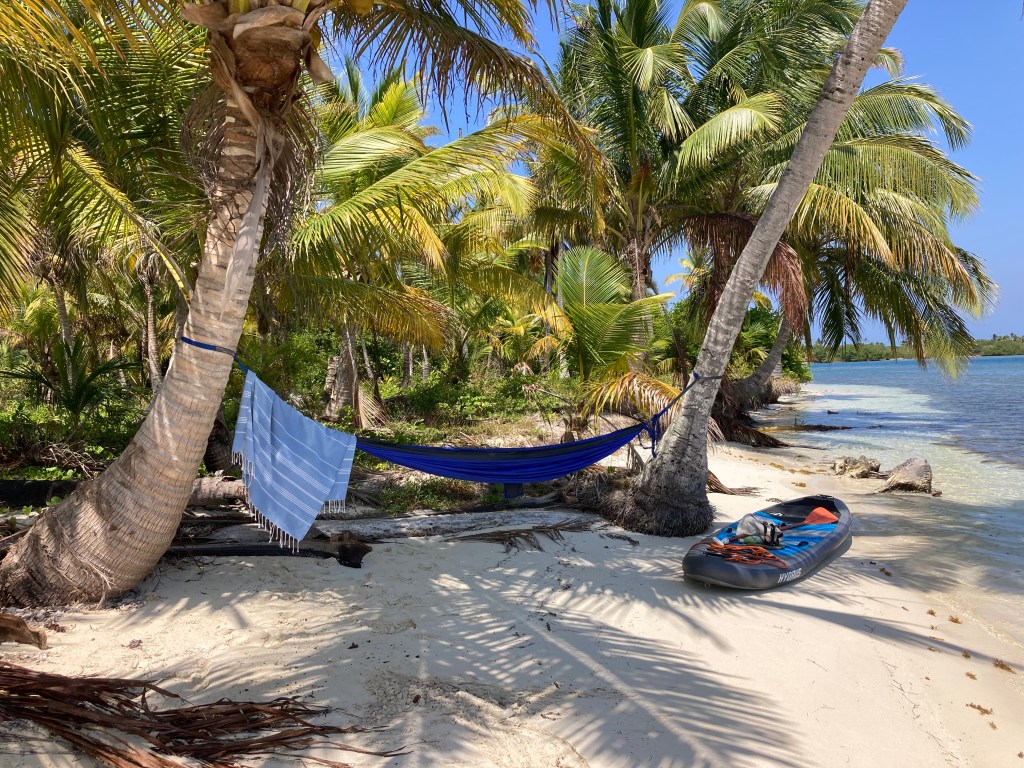
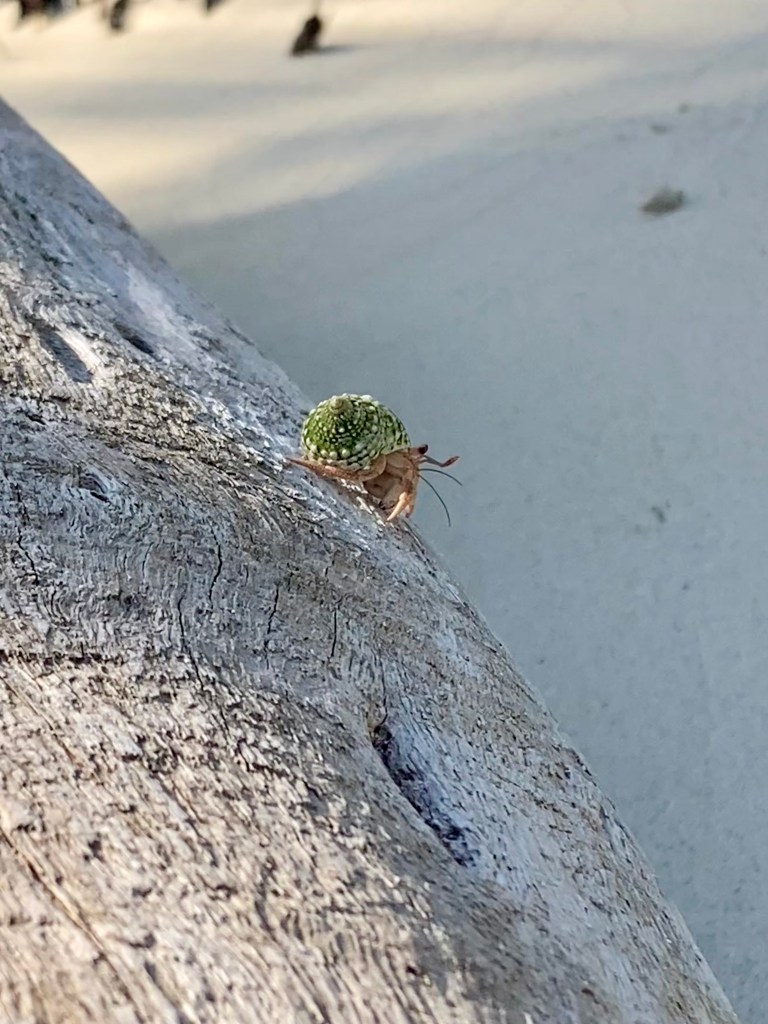
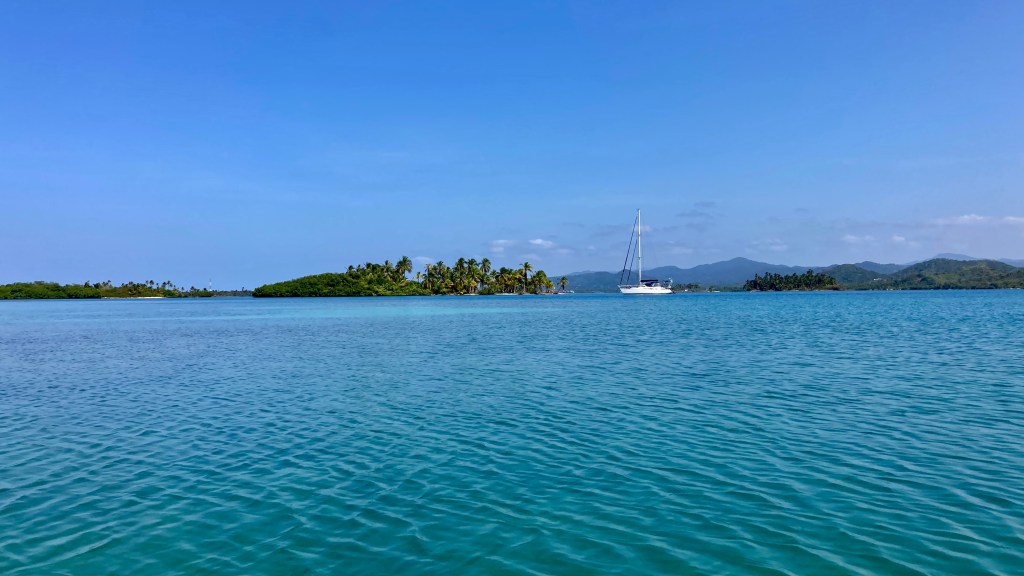
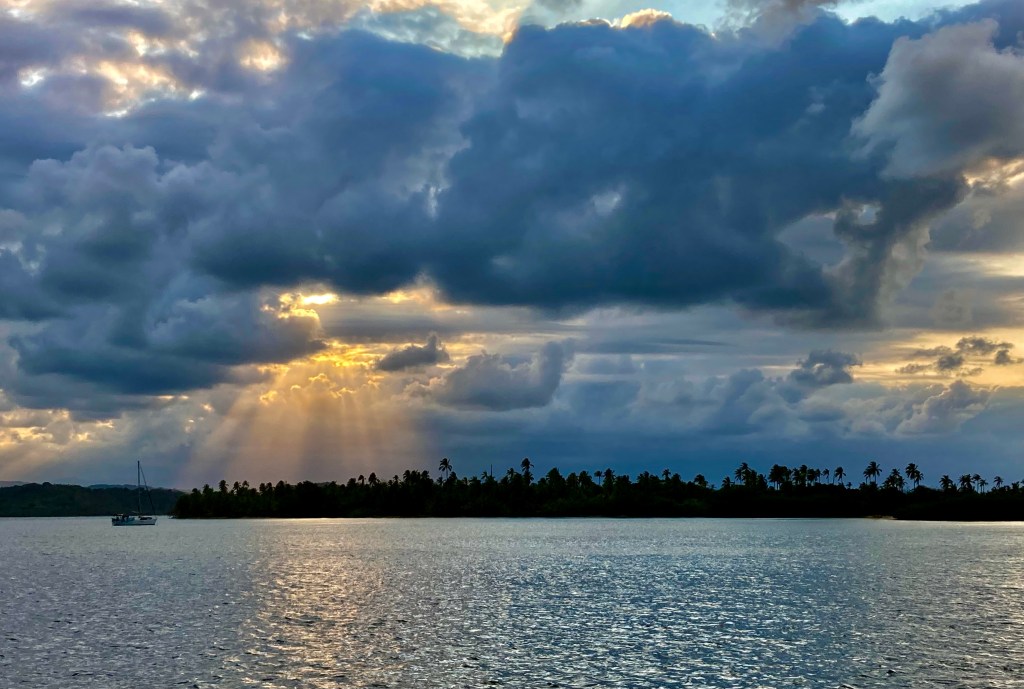
This is our last coastal stop before we make it to the islands that compose the main part of the Kuna Yala (or Guna Yala). When we left Colombia, we envisioned being in the islands straight away, but this journey has unfolded organically and unexpectedly. Nevertheless, we are thrilled to be here and fully immersed in the awe-inspiring beauty of Panama’s east coast.
 Soulful Mermaid
Leave a comment